



More than a carer
A specialist provider of home care services for people with complex care needs.


HASCS challenges the norm in the complex care industry
HASCS was founded in 2017, born with the vision to create a truly nurse-led service. We provide care for people of all ages living with spinal injuries, physical disabilities and life-limiting conditions with a complex care plan tailored specifically for their care needs and personal preferences.
We place our core values at the heart of the work we do, from our health care assistants and nurses to our head office function. This one team approach ensures that every aspect of our service is aligned.
Discover HASCS
Your local complex care company
The ethos of HASCS is to challenge the norm in complex care provision and be clinically led rather than business led. Doing this allows us to deliver the person-centred care we are passionate about and ensures that our service users get the best possible outcomes, aligned with their preferences.
Meet the team
The people who care for you
With the support of a dedicated and professional team, who are employed by a company built on a foundation of extensive clinical care experience, we make sure that our services provide people with safe, compassionate, and effective care.
-

A Magical 30th Birthday
At HASCS, we believe great care goes beyond meeting someone’s clinical needs. It is also about understanding what matters to each person, supporting their independence and helping them enjoy experiences that bring meaning to their lives. Recently, we were delighted to help one of our service users celebrate a very special milestone: her 30th birthday.
A birthday to remember
To mark the occasion, our team supported a trip to the Harry Potter Studio Tour, giving our service user the opportunity to celebrate their birthday doing something they really enjoy.
Following the visit, she shared:
“Thank you so much to HASCS and Toni for taking me to the Harry Potter Studios for my birthday. I had the best time! My favourite part was seeing all the Death Eaters walking around for Halloween. It was such an amazing day, and I’m so grateful that you made it possible for me.”
Care that supports the whole person
Experiences like this reflect an important part of person-centred support. Every person has their own interests, routines and goals. While safe and appropriate clinical care is fundamental, quality of life also matters. HASCS provides nurse-led complex care designed to support people’s independence, dignity and quality of life, with personalised support forming an important part of that approach.
That means looking beyond a person’s care requirements and recognising them as an individual.
Whether it is maintaining familiar routines at home, staying connected with the people and things that matter, or enjoying a special day out, personalised care can help people retain choice and control in everyday life.
It’s this focus on the individual that sits at the heart of our approach to care. You can read more about the principles behind how we support people in our blog, More Than Just Words: How HASCS Values Drive Quality Complex Care.
Making memories together
For our team, being able to support someone with an experience that means so much to them is a privilege.
This particular trip was about far more than visiting a favourite attraction. It was about celebrating a significant birthday in a way that was personal to the individual and creating a memory they could take away from the day. A very happy 30th birthday from everyone at HASCS, and thank you for allowing us to be part of such a special celebration.
Here’s to many more memorable moments.
-
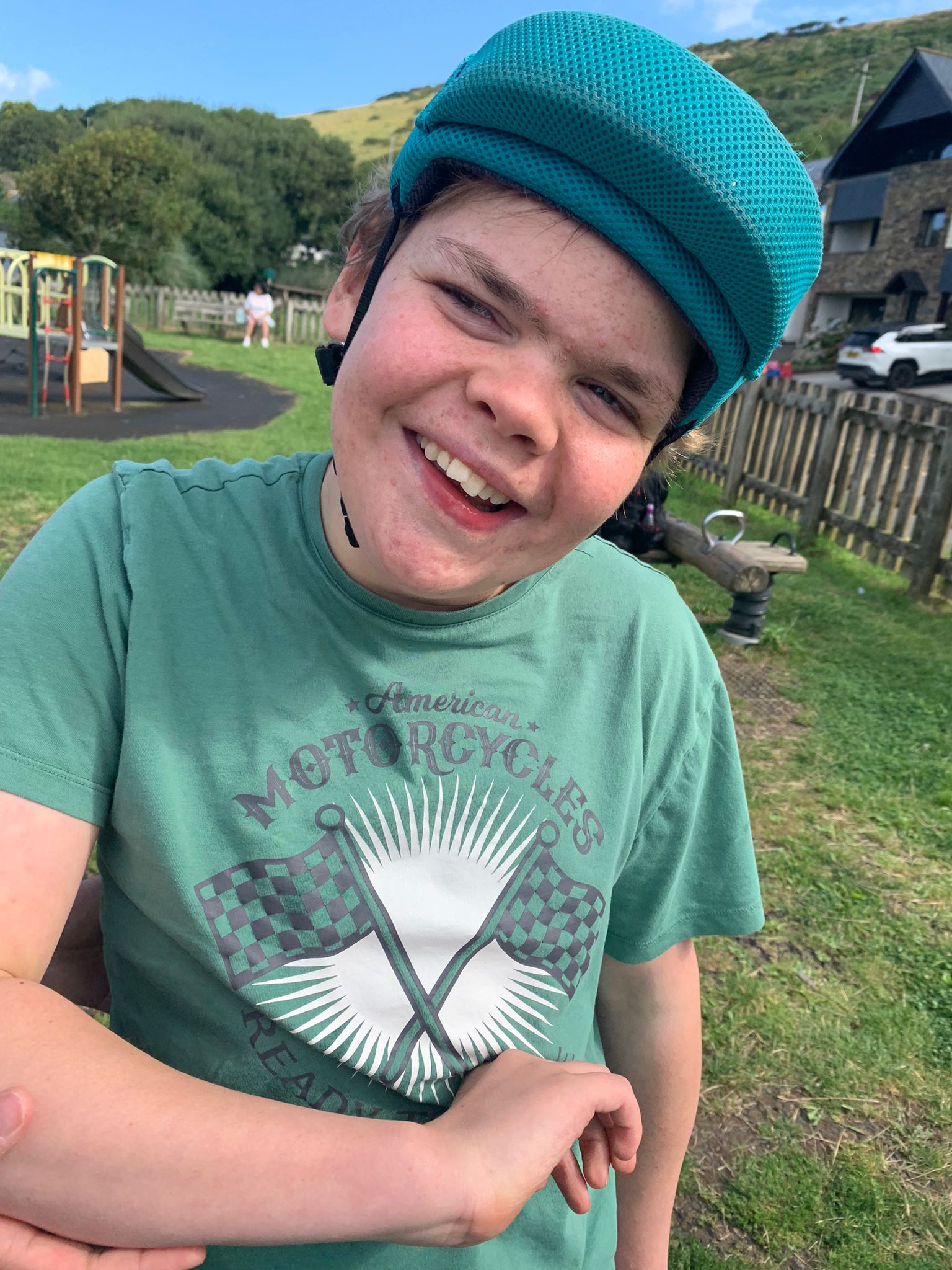
Together in Care Award Winners: September
Some of the most meaningful progress in complex care is built day by day. It comes from consistency, trust and a team working together around what matters to the person they support.
That’s why we are proud to recognise the BP Care Team as winners of our Together in Care Award.
Since supporting BP through a life-changing transition, the team has helped him thrive, with improvements to his health, mobility, independence and quality of life. Just as importantly, their support has given BP’s family greater peace of mind.
Supporting BP Through Change
Major changes in a person’s life can bring new challenges, particularly when complex care is involved. At HASCS, our approach centres on care that is clinically led and genuinely person-centred, with the individual, their choices and their quality of life at its heart. For BP, his care team have brought those principles to life through the support they provide every day.
Through challenges and achievements alike, they have continued to put BP’s wellbeing first. Their compassion and resilience are matched by the way they work together, supporting one another while remaining focused on helping BP live with greater independence and quality of life.
The Difference a Team Can Make
Complex care is about much more than responding to clinical needs. HASCS describes its approach as holistic and collaborative, taking account of an individual’s interests, routines and the realities of receiving care, while recognising the importance of privacy and dignity. Strong relationships matter too. Our approach is built around consistency and trust, alongside care that can respond to individual needs.
The BP Care Team demonstrate the human impact of those principles. They celebrate progress together and continue to support each other through difficult moments. Throughout it all, BP remains at the centre.
BP’s progress has also meant a great deal to his family. Seeing improvements in his health, mobility, independence and quality of life has helped give them greater peace of mind. Families bring an understanding of their loved one that professional care teams cannot replace, which is why working together as genuine partners is such an important part of complex care.
A Truly Deserving Team
The Together in Care Award is an opportunity to recognise the people behind that everyday commitment.
For their compassion, resilience and teamwork, and for the difference their support continues to make to BP and his family, congratulations to the BP Care Team on this well-deserved recognition. Thank you for everything you do.
-

Cycling for a Cause: Team HASCS Takes on London to Brighton for Muscular Dystrophy UK
This September, a team of dedicated colleagues will be taking on the iconic London to Brighton Cycle Ride to raise funds for Muscular Dystrophy UK, a charity that is particularly close to our hearts.
The team of five cyclists are aiming to raise £5,000 in support of the charity’s vital work funding research, improving access to specialist care and providing information and support to families affected by muscle-wasting conditions.
For the team, this challenge is about far more than completing 55 miles on a bike. It is an opportunity to stand alongside the people and families we support.
Every day, our teams see the resilience, determination and strength shown by individuals living with complex health conditions. Taking on this challenge is our way of showing support, raising awareness and giving back to a charity that makes a meaningful difference.
Why We’re Cycling
Jodyne Jurd, Clinical Director and one of the five riders, said:
“We’re cycling for a cause that’s very close to our hearts. This challenge is about raising awareness, showing support, and giving back to a charity that makes a real difference to people’s lives every day.”
In preparation for the event, the team has been training hard while also organising fundraising activities across the business. From workplace events to community initiatives and online donations, colleagues, families and supporters have all played a part in helping us move closer to our fundraising goal.
Many of the people we support have also been involved in their own way, sharing words of encouragement and cheering the team on throughout the journey.
Riza Tongson-Espe, Chief Executive Officer, added:
“Being person-centred and values-led is at the heart of everything we do. Taking on this challenge felt like a natural way to support a cause that aligns so closely with the people we care for. We’re incredibly proud of the team for stepping up and making a difference.”
Support Our Fundraising Journey
The London to Brighton Cycle Ride will take place on Sunday 13 September 2026, and fundraising will continue in the lead-up to the event.
If you would like to support Team HASCS and help us reach our £5,000 target, donations can be made via our JustGiving page.
Every donation, no matter the size, will help Muscular Dystrophy UK continue its important work supporting individuals and families across the UK.
Thank you for supporting Team HASCS as we pedal towards Brighton for a fantastic cause.
-

The Future of Complex Care in the UK: 5 Trends Shaping the Sector
Complex care looks very different now than it did even five years ago. More people are being supported at home with conditions that would previously have meant a hospital stay or a move into residential care.
Families are better informed about what’s available. And the standards expected of providers – clinically and personally – are higher than they’ve ever been.
The sector is under pressure, and there’s no pretending otherwise. But within that pressure, there are developments genuinely improving how complex care is delivered.
Here are five care trends worth understanding.
1. Care Moving From Hospital Into the Community
The 10 Year Health Plan for England, published in July 2025, sets out a plan to deliver most outpatient and urgent care closer to home by 2035.
For complex care, this accelerates what’s already happening – more people with spinal injuries, neurological conditions, and ventilation needs are being supported at home rather than in institutional settings.
That’s a positive development, but it demands clinical capability that not all home care providers can offer. Nurse-led models are becoming increasingly important as the complexity of packages grows.
2. Better Integration of Health and Social Care
The gap between health and social care has been one of the most persistent challenges in complex care.
Information doesn’t flow well between GPs, hospitals, therapists, and home care teams, and the person at the centre can end up repeating themselves to every new professional involved.
Integrated Care Boards are designed to address this – bringing NHS services, local authorities, and care providers into closer alignment. Progress has been uneven, but the direction is right. For complex care nursing teams working in the community, better integration means smoother hospital discharges, more timely access to clinical records, and holistic care plans.
3. Technology Supporting Care at Home
Technology isn’t replacing carers, but it’s giving them better tools:
- Remote monitoring lets clinical teams track vital signs and flag changes between scheduled visits
- Digital care plans can be updated in real time and accessed by everyone involved in the package
- Video consultations with specialists reduce hospital trips that can be physically exhausting for the person receiving care
These tools support better oversight and faster responses – both of which matter when someone’s condition is complex or changing.
4. Workforce Development and Retention
The health and social care workforce has been strained for years, but there are signs of stabilisation. Skills for Care data shows domiciliary care vacancy rates fell to 9.9% in 2025, with staff turnover down to 23.7%.
Complex care faces a specific challenge, though. The clinical demands are higher and the hours longer. Retaining experienced staff means investing in:
- Training that keeps pace with the complexity of packages being delivered
- Career pathways from healthcare assistant through to clinical team lead
- Supervision that reflects the emotional and physical intensity of the work
At HASCS, we recruit and train in-house rather than relying on agency staff. That consistency is better for the people we support, and it gives our team a clear route forward.
5. Person-Centred Care Becoming the Expectation
Person-centred care has been talked about for years. It’s now becoming a genuine expectation – CQC inspections focus on it, and families are more informed about what good looks like.
In complex care, this means care plans built around the whole person, not just their diagnosis. Preferences, routines, relationships, and goals all affect how support is delivered.
And that’s where providers with low staff turnover and consistent care teams have a clear advantage – when the same people support someone day after day, the care naturally becomes more personal.
Where HASCS Fits Into The Plan
We were founded in 2017 with a nurse-led model, in-house recruitment, and a commitment to building care around the individual – not the other way around.
That wasn’t a response to industry trends. It was how we believed complex care should work from the start, and it still guides every package we deliver.
We support people of all ages across a wide range of conditions, and we take referrals from families, case managers, local authorities, NHS Trusts, ICBs, and charities.
If you’re exploring complex care for yourself or someone close to you, contact our team to talk through what’s needed.
-

Together in Care Award Winners June 2026
At HASCS, we believe that truly great care is built on relationships, trust, and a shared commitment to helping people live life on their own terms. Our Together in Care Award recognises teams who embody these values in their day-to-day work, going beyond task-based care to deliver meaningful, person-centred support.
We are proud to announce that our June 2026 winners are Team NP.
Care that goes beyond the expected
Team NP have been recognised for their exceptional dedication, compassion, and teamwork. Their approach reflects what person-centred care should look like in practice. It is not simply about meeting clinical needs. It is about understanding the individual, building strong relationships, and supporting a life that feels fulfilling and meaningful.
Over time, the team have developed a strong and trusting relationship with NP. This consistency enables them to understand her preferences, routines, and what matters most to her day to day. That level of understanding is what allows care to feel natural, respectful, and genuinely supportive.
At HASCS, we know that relationships like these do not happen by chance. They are built through consistency, collaboration, and a shared focus on the individual’s goals and quality of life.
Supporting a life filled with experiences
What makes Team NP’s work particularly special is their commitment to creating opportunities, not just providing support.
In the past month alone, NP has been supported to enjoy a range of meaningful experiences, including a holiday, social outings, and celebrating her 30th birthday. These moments matter. They contribute to wellbeing, confidence, and a sense of independence that sits at the heart of person-centred care.
Supporting someone to access their community, celebrate milestones, and enjoy new experiences requires careful planning, teamwork, and clinical awareness. It also requires a genuine understanding of what those experiences mean to the individual.
Team NP demonstrate this balance every day, combining safe, clinically informed care with a focus on living well.
A team that supports each other
Outstanding care is never delivered in isolation. It depends on strong, supportive teams who communicate well, look out for one another, and share responsibility for the person they support.
Team NP have created an environment where teamwork is a priority. This is reflected in the consistency of care they provide and the positive, stable relationships they have built. It is also what allows them to respond to changing needs with confidence and professionalism.
At HASCS, we place significant value on this collaborative approach. By working closely with colleagues, families, and wider professionals, care becomes more responsive, more consistent, and ultimately more effective.
Making a meaningful difference
The impact of this approach is clear. Team NP have made a genuine and lasting difference to NP’s life through their compassion, commitment, and attention to detail.
From everyday routines to significant milestones, their care supports safety, dignity, and independence while ensuring that life remains enjoyable and full of opportunity. This is what high-quality complex care should look like.
Their recognition as June’s Together in Care Award winners is thoroughly deserved.
Congratulations, Team NP
We would like to extend our congratulations and thanks to every member of Team NP. Your dedication reflects the very best of HASCS and demonstrates what can be achieved when care is delivered with skill, compassion, and purpose.
Your work is a powerful example of how person-centred, clinically led care can support individuals not just to live safely, but to live well.
-

Supporting Growth, Confidence, and New Ideas through Work Experience
At HASCS, we believe that creating opportunities for learning and development is an important part of building a stronger, more confident future workforce. Recently, we had the pleasure of welcoming Austine for a week of work experience, offering a chance to gain insight into our environment, our values, and the way we approach challenges.
From the very beginning, Austine approached the week with a positive attitude and a willingness to get involved. Stepping into a new setting can be daunting, but embracing the experience fully is what allows meaningful learning to happen. That sense of engagement and curiosity was clear throughout the week.
A hands-on challenge
One of the highlights was a Dragon’s Den-style challenge, designed to encourage creativity, problem-solving, and confidence in presenting ideas.
Austine was tasked with developing a product concept from the ground up. This included building a business plan, thinking through a marketing approach, and presenting the final idea clearly and confidently. It is an exercise that goes beyond theory, asking participants to bring together planning, communication, and creativity in a practical way.
Opportunities like this reflect the importance of real-world application. As we often see across our services and training, confidence grows when knowledge is put into practice. Whether in care delivery or in professional development, understanding how ideas translate into action is key to building capability.
Building confidence through experience
What stood out most was Austine’s willingness to contribute and present ideas with clarity. Developing and pitching a concept in front of others requires both preparation and confidence, and it was clear that a great deal of thought had gone into the work.
Moments like these are important. They allow individuals to test their thinking, receive feedback, and build the confidence that comes from stepping outside of their comfort zone. In any setting, whether that is education, business, or care, these experiences form the foundation for future growth.
Reflecting our values in practice
At HASCS, we place strong emphasis on creating environments where people feel supported to learn, develop, and contribute. Our approach is built on collaboration, openness, and a commitment to doing things the right way.
Welcoming individuals into the organisation, even for a short period, reflects those values in practice. It is about sharing knowledge, encouraging new perspectives, and recognising that learning is always a two-way process.
We are grateful to Austine for the enthusiasm and effort shown throughout the week. It was a pleasure to see such a positive approach to learning and to witness the creativity brought to the challenge.
Experiences like this are a reminder of the importance of investing time in development at every stage. With the right opportunities and encouragement, new ideas can flourish, and confidence can grow quickly.
We wish Austine all the best moving forward and hope the experience provided valuable insight and inspiration for the future.
-
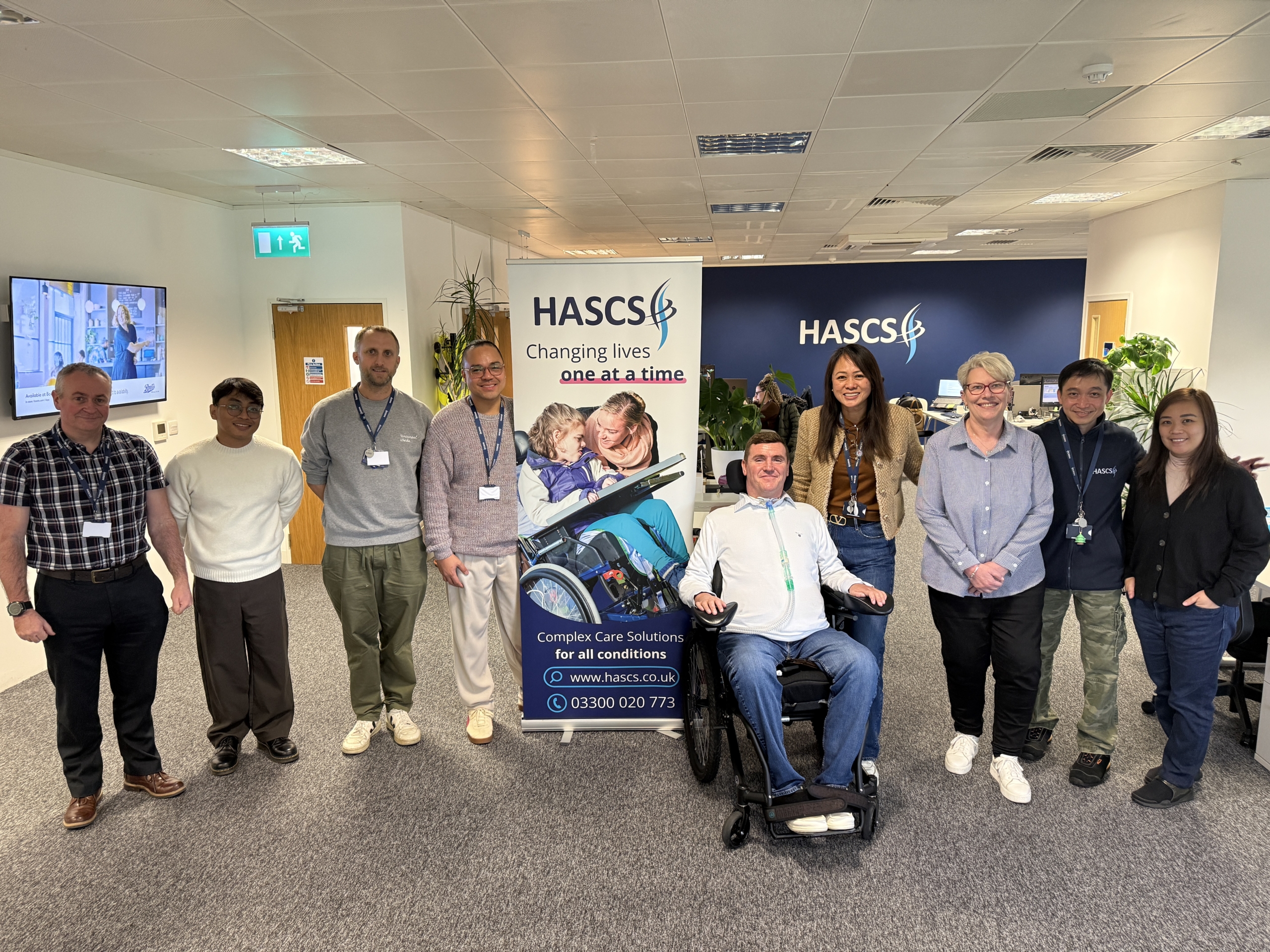
Introducing the Together in Care Award
At HASCS, we know that outstanding care is never delivered by one person alone. It is built through teamwork, consistency, and shared responsibility. Every day, our care teams work together to support individuals with complex needs, balancing clinical excellence with compassion, dignity, and respect.
We are proud to introduce the Together in Care Award. This award has been created to recognise the teams who make a genuine difference through the way they work together, not just in what they do, but how they do it.
Why teamwork matters in complex care
Delivering complex care in the home requires more than technical skill. It demands strong, stable teams who understand each individual, their routines, and their preferences. It also requires trust between carers, families, and professionals, built over time through consistent, collaborative working.
At HASCS, collaboration is not just encouraged, it is a core part of how we deliver care. We work in partnership with families, professionals, and each other to ensure every package of care is safe, responsive, and truly person-centred.
When teams support each other well, the impact is clear. Care becomes more consistent. Communication improves. Most importantly, the people we support experience care that feels more personal, more respectful, and more aligned with how they want to live their lives.
What the Together in Care Award recognises
This award celebrates care teams who go beyond the expected. Not through grand gestures, but through the everyday moments that define excellent care.
We are recognising teams who:
- Support and uplift each other, creating a positive and reliable working environment
- Build strong, meaningful relationships with the people they support
- Show compassion, respect, and professionalism in every interaction
- Deliver care that reflects both clinical quality and genuine understanding
These are the qualities that sit at the heart of everything we do as an organisation. They reflect our commitment to being collaborative, responsive, and responsible in the way we deliver care.
Who can be nominated
The Together in Care Award is open to our care teams working out in the community. These are the teams delivering care where it matters most, in people’s homes, education settings, and everyday environments.
Their work often happens quietly, behind the scenes, but its impact is life-changing. This award is an opportunity to bring that work into the spotlight and recognise the teams who consistently go above and beyond.
Office staff are also encouraged to take part by nominating the teams they see making a real difference. Whether through direct collaboration or feedback from families and professionals, your insight matters.
How to nominate
Nominations are now open.
If you have seen a team demonstrate outstanding teamwork and commitment to care, we want to hear from you. Tell us which team you are nominating and why their work stands out.
You can submit your nomination:
- Via social media
- By email at hello@hascs.optweb.co.uk
Every nomination helps us celebrate the people who are shaping better outcomes for those we support.
Celebrating the power of working together
At HASCS, care is a privilege. It is also a shared responsibility. The Together in Care Award is about recognising that when people come together with the right values, the right support, and a shared goal, the results can be transformative.
We look forward to celebrating the teams who embody this every day, and to recognising the collective effort that sits behind outstanding care.
Together, we are changing lives, one team at a time.
-
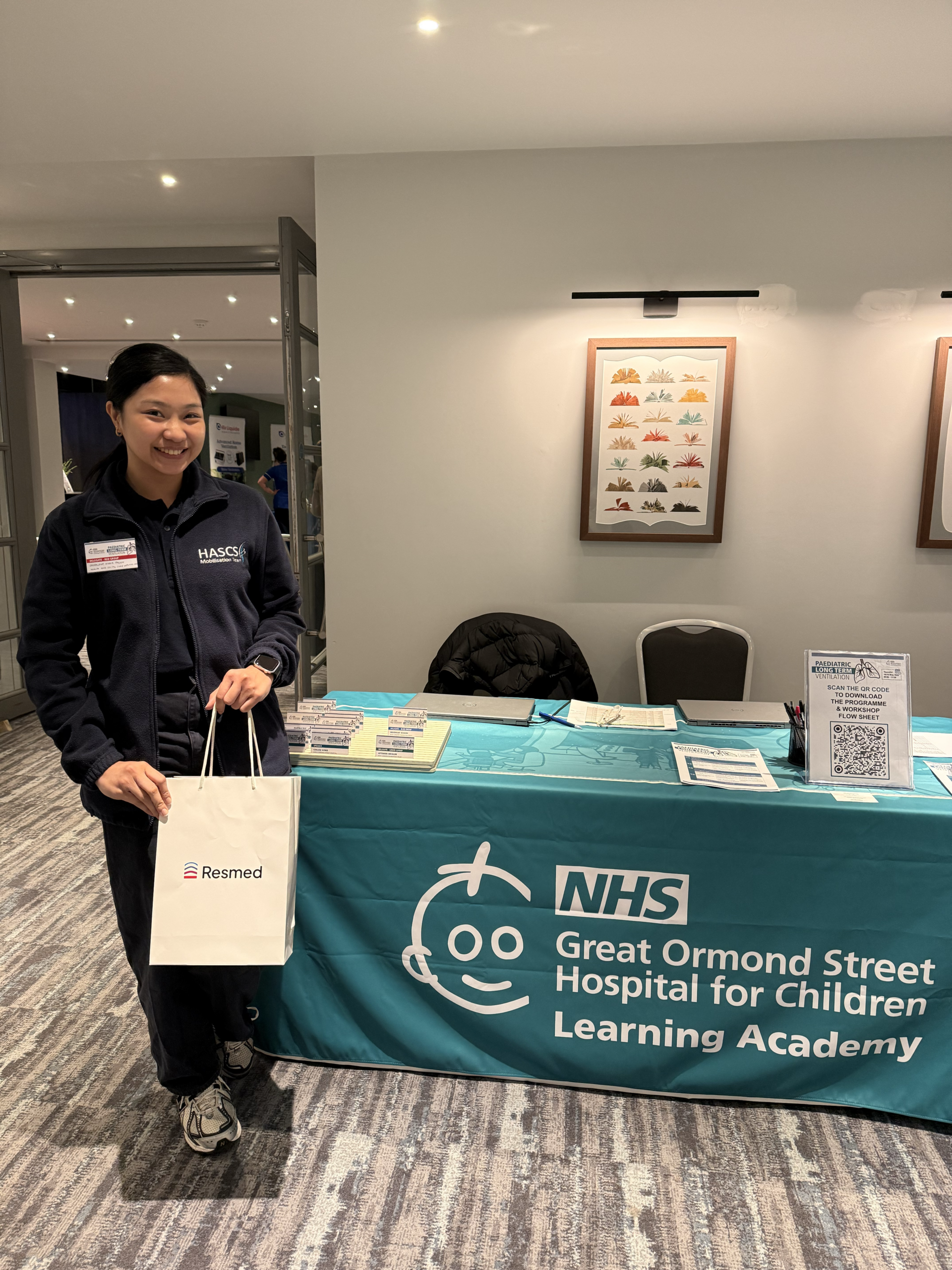
Strengthening Skills in Paediatric Ventilation Care Through Specialist Training
Recently, some of our team attended a Paediatric Long-Term Ventilation Course delivered by Great Ormond Street Hospital and Charity. It was an opportunity to step beyond day-to-day delivery of care and focus on developing the practical skills, clinical understanding, and confidence required to support children with complex ventilation needs.
For providers working in complex care, training like this is not an optional extra. It is a core part of delivering safe, responsive, and person-centred support.
Why specialist ventilation training matters
Caring for children who require long-term ventilation involves a level of clinical responsibility that goes far beyond routine care. Ventilator management, airway support, and monitoring all require not only technical skill, but the ability to think clearly in unpredictable situations.
While standard training has an important place, it often cannot replicate the complexity of real-life scenarios. In contrast, specialist programmes rooted in clinical expertise provide hands-on learning that reflects the realities of care. This includes understanding how equipment behaves in practice, recognising early signs of deterioration, and responding calmly when something does not go to plan.
At HASCS, we recognise that this depth of understanding is essential. Our approach to care is nurse-led, with a strong emphasis on ensuring that teams are both clinically competent and confident in their decision-making.
From knowledge to confidence in practice
One of the most valuable aspects of this course was the focus on practical application. Learning through doing builds confidence in a way that theory alone cannot.
When training reflects the situations care professionals may face, it supports the development of:
- Strong clinical judgement in time-sensitive situations
- Confidence in using specialist equipment correctly
- Clear communication within teams and with families
- The ability to adapt care safely as needs change
These are the foundations of high-quality complex care. As seen across effective training approaches, confidence grows not from simply completing modules, but from engaging with realistic scenarios and learning from experienced clinicians.
Supporting better outcomes for children and families
For families, the impact of well-trained care teams is significant. Ventilation support often forms part of a wider, carefully balanced care plan delivered at home or in the community. It requires sensitivity, precision, and an understanding of how clinical care fits into everyday life.
Training like this strengthens our ability to provide care that is:
- Safe and clinically robust
- Respectful of the child’s routines and environment
- Collaborative, working alongside families and other professionals
- Responsive to change, whether gradual or sudden
At its heart, complex care is about more than meeting clinical needs. It is about maintaining dignity, supporting independence where possible, and building trust with the people we support.
Continuing to invest in learning
Courses such as the Paediatric Long-Term Ventilation Programme reflect something important about how we approach care at HASCS. We are committed to ongoing learning, ensuring that our teams continue to develop alongside advances in clinical practice.
By investing in specialist training, we can confidently support children with high-dependency needs and provide reassurance to the families who rely on us.
If you would like to learn more about our training approach or how we support complex care packages, our team is always happy to talk.
-

What a Live-In Care Plan Includes
When families first look into live-in care, the care plan is often the part that introduces confusion.
You know your relative needs support at home, but it isn’t always clear what the plan includes from day to day and whether everything is covered. We often see how this produces anxiety for families.
An excellent care plan is far more than a list of tasks. It’s a working document that sets out exactly how someone is supported, built around their health, routines, and what matters to them. Here’s what that means in more detail at HASCs.
Goals and Outcomes
Every plan starts with what the person wants to achieve and how support can do what it’s truly intended to do – support an individual.
For one individual, that might mean staying in their own home rather than moving into residential care. For another, it could be regaining enough confidence to manage parts of their day independently, or simply living comfortably and with dignity through a life-limiting condition.
These goals shape everything that follows. They’re reviewed regularly and adjusted as circumstances change. Excellent care is certainly not static, and neither is an excellent plan.
Clinical and Healthcare Needs
This is the part that most often gets underestimated. A live-in carer or nurse needs a clear understanding of the person’s medical conditions, medications, and any clinical tasks involved in their care, from managing a stoma or catheter to supporting ventilation or administering medication.
At HASCS, this section is overseen by a nurse rather than left to chance. Our nurse-led model means clinical needs are assessed properly, documented clearly, and kept under review by someone trained to identify when something changes.
For anyone with complex or evolving conditions, that clinical oversight is what keeps care safe at home.
Risk Assessment
A thorough plan includes risk assessments covering moving and handling, the home environment, medication, choking or swallowing difficulties, skin integrity, and anything else specific to the individual.
A well-judged risk assessment enables independence rather than restricting it, identifying the support someone needs to do what they want to do from day to day.
Daily Routines and Preferences
This is where a care plan becomes more personalised. When does the person like to wake and go to bed? What do they enjoy eating, and when? Do they prefer a bath or a shower, and at what time of day? Who are the people, pets, and pastimes that make up their week?
This turns a care package into something that truly fits the person. A carer who knows how someone takes their tea, what they like to watch in the afternoon, or how they want the garden kept is always going to provide support that feels warm, open, and friendly.
Who’s Involved and How It’s Reviewed
A live-in care plan also records who’s part of the wider support group. That can include family members, the GP, district nurses, therapists, and any specialists involved in the person’s care, as well as the live-in carer and the clinical team supervising the package.
We review plans at set intervals and whenever needs change, whether that’s after a hospital stay, a change in a condition, or simply a change in what the person wants from their support.
Building a Plan Around the Person
Live-in care works best when the plan behind it reflects the whole person, not just their diagnosis. At HASCS, every package begins with a structured, clinically led assessment, and we build the plan and the care team around what we learn.
We support people of all ages across a wide range of conditions, and we take referrals from families, case managers, local authorities, NHS Trusts, integrated care boards, and charities.
If you’re considering live-in care for yourself or someone you love and want to understand what a plan might look like in your situation, contact our team to discuss.
-
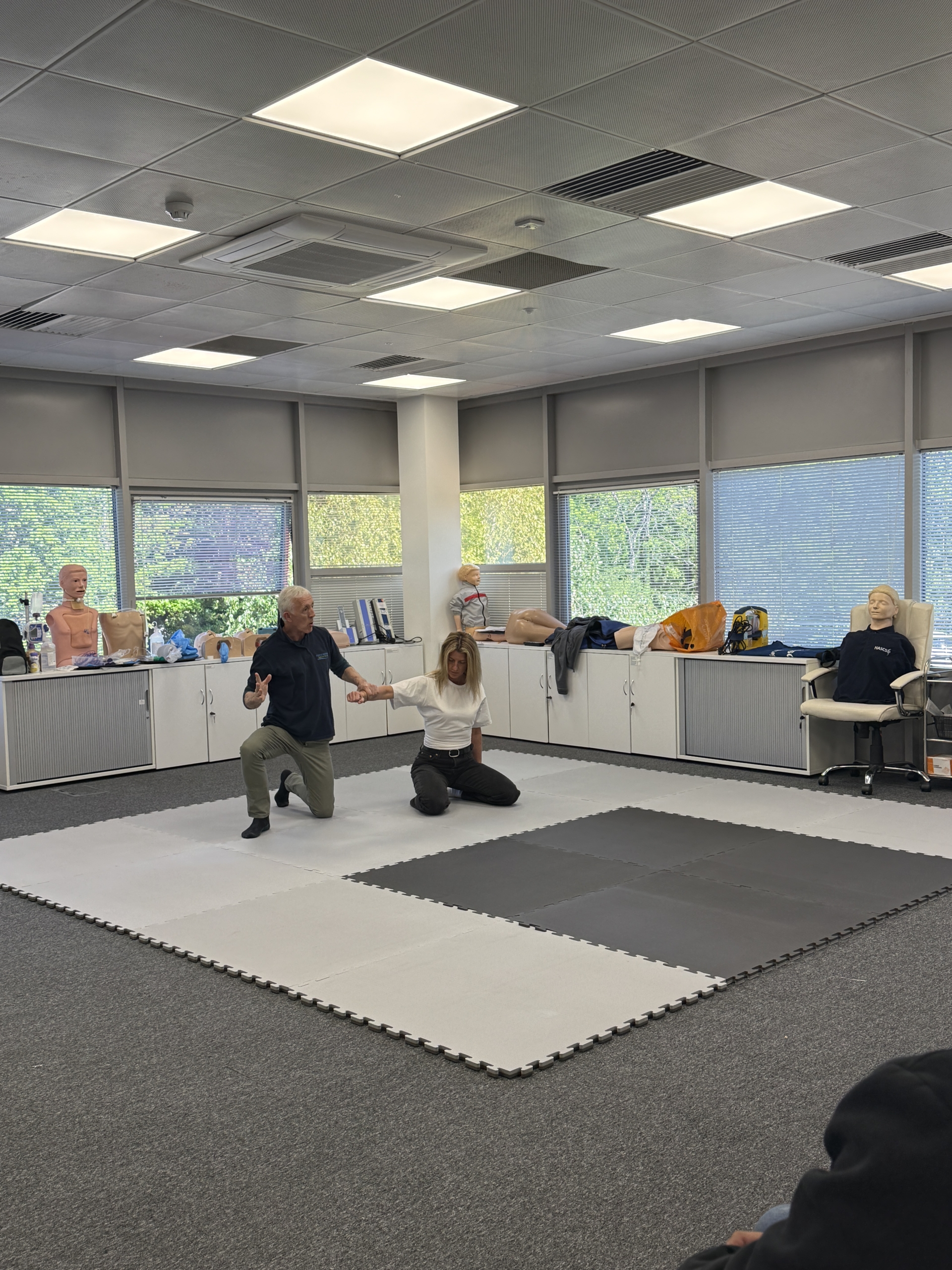
Positive Behaviour Management in Practice
At HASCS, we believe that great care begins with confident, supported teams. That is why we continue to invest in meaningful training that strengthens both clinical practice and day-to-day interactions with the people we support.
Recently, our teams completed a three-day Positive Behaviour Management (PBS) training programme. It was an opportunity not only to build skills, but to reflect on how we deliver truly person-centred care in complex and often fast-changing environments. The training is more than a physical intervention package, it addresses all parts of a PBS plan.
Zoe, our Clinical Director and Learning Disability Lead Nurse, shared her reflections from the course:
“The training was truly fantastic, and Mark was excellent throughout. He made every aspect of the three days highly relevant to our service users, which made a real difference for our team. Everyone commented on how valuable and enjoyable the sessions were, and there was a real buzz afterwards about how much they got out of it.”
Making training meaningful
Training is most effective when it feels real. During the three days, the focus was not just on theory, but on applying learning directly to the individuals we support. By grounding discussions in real-world scenarios, the sessions helped teams think more deeply about communication, behaviour, and the importance of responding with consistency and compassion.
This approach reflects how we work as an organisation. Our model is nurse-led, clinically driven, and tailored around each individual’s needs.
Training must align with that. It needs to be practical, relevant, and able to translate into confident action in the home and community settings where our care is delivered.Building confidence across the team
Positive Behaviour Management is not about quick fixes. It is about understanding the person behind the behaviour, recognising triggers, and responding in ways that reduce distress while preserving dignity and independence.
For our teams, that means:
- Feeling confident in how they respond to complex situations
- Working consistently as part of a stable care team
- Communicating effectively with families and multidisciplinary professionals
- Supporting individuals to live with as much choice and control as possible
These are all essential elements of safe, responsive care, and they sit at the heart of how HASCS operates.
The feedback from the training showed that when people feel equipped, they feel empowered. That shift in confidence has a direct impact on the quality of support we provide every day.
A shared commitment to better care
There was a clear sense of energy following the sessions. Teams spoke about the value of coming together, learning from each other, and leaving with a stronger understanding of their role.
That “buzz” matters. It reflects something deeper than just a successful training programme. It shows a shared commitment to doing things well, even when situations are complex.
Across our services, collaboration is key. Whether it is working alongside families, liaising with clinical teams, or supporting individuals through change, our approach is always grounded in partnership and respect.
Training like this strengthens those foundations.
Supporting person-centred outcomes
Ultimately, the purpose of any training is to improve outcomes for the people we support. In Positive Behaviour Management, that means:
- Reducing distress and promoting emotional wellbeing
- Encouraging independence and meaningful routines
- Creating environments where individuals feel understood and safe
These outcomes are not achieved through one-off interventions. They come from consistent, thoughtful care delivered by confident teams who understand the individual in front of them.
At HASCS, we are committed to providing care that is responsive, personalised, and clinically informed.
Investing in our people is a key part of that commitment.As we continue to grow and evolve, training will remain central to our approach. It allows us to maintain high standards, adapt to changing needs, and ensure that every member of our team feels supported in their role.
Because when our people grow, the quality of care grows with them.
And for the individuals and families we work alongside, that makes all the difference.
Looking for care that understands behaviour, not just manages it?
If you’re exploring support for yourself or a loved one and want a team that takes the time to understand the person behind the behaviour, we’re here to help.At HASCS, our nurse-led teams combine clinical expertise with practical, person-centred approaches to Positive Behaviour Support, helping individuals feel safe, respected, and understood in their own homes.
Contact our friendly team to talk through your situation and how we can build a care package that truly works for you.
-

How HASCS Supports People with Learning Disabilities to Live Well at Home
Good learning disability care starts with one simple question: what does this person want their day to look like?
Not what the system can offer. Not what fits neatly into a rota. What does this individual actually enjoy? What gives their week structure and meaning? What would they choose to do more of if the right support was in place?
It’s something we come back to time and time again, because when that question isn’t asked early on, care can quickly become task-led rather than person-led.
At HASCS, that thinking drives how support is designed. Our learning disabilities services are built around the individual, their preferences, routines, and goals, with the clinical oversight and specialist training to support it properly.
Independence Through the Right Support
Independence doesn’t mean managing alone. It means having the right level of support to make choices, take part in daily life, and maintain control over how each day unfolds.
For someone with a learning disability, that might involve:
- Help with personal care from a consistent team who understand their preferences and communication style
- Support managing medication, nutrition, and health appointments
- Assistance with daily tasks like cooking, shopping, and cleaning, carried out alongside the person rather than for them
- Encouragement to maintain friendships, hobbies, and community connections
Support at home, at work, at college, or on days out, wherever life happens
The aim is not to create dependency. It is to remove the barriers that make everyday life more difficult than it needs to be. In practice, that balance is different for everyone.
Consistency and Familiarity
People with learning disabilities often rely on routine and familiar faces. A constant change in carers can cause anxiety, disrupt established patterns, and make communication more difficult.
We place a strong emphasis on carer matching. Personality, interests, cultural background, and communication style all play a part in building the right team. When that match is right, the relationship tends to become the foundation for everything else.
Our retention rates reflect the investment we make in our staff. Carers are recruited, trained, and supported in-house, with ongoing development and access to a CPD-accredited training programme delivered by experienced clinicians.
Supporting Complex and Dual Needs
Learning disability care becomes more complex when additional needs are involved, whether that is physical disabilities, epilepsy, mental health conditions, sensory impairments, or behaviours that have challenged previous providers.
This is an area HASCS works in regularly. Our nurse-led model keeps clinical oversight close to the care itself, rather than separated from it. Teams are trained to support individuals across the full spectrum of need, including those with profound and multiple learning disabilities (PMLD).
In many cases where previous care has broken down, the issue has not been the individual. More often, it comes down to gaps in training, poor communication, or care plans that don’t fully reflect what is actually needed day to day.
Care for Adults with Learning Disabilities and Young People
The transition from children’s services to adult care is often one of the most difficult stages for families. Support structures change, new assessments begin, and there can be a lot of uncertainty about what comes next.
We support individuals of all ages and can step in at any stage, including during transition. Care packages are designed to adapt over time, rather than needing to be rebuilt each time circumstances change.
Support can be delivered wherever it is needed, whether that is at home, at work, at university, or on holiday. The aim is for care to fit around the person’s life, not the other way round.
Get in Touch With Our Team
Every learning disability care package starts with understanding the individual. What works, what doesn’t, and what the person and their family want from their care. From there, we build a team and a plan around it.
If you are exploring care for adults with learning disabilities, or supporting a young person approaching transition, we are always happy to have an initial conversation.
We take referrals from families, case managers, local authorities, NHS Trusts, Integrated Care Boards, and charities.
Contact our team to talk through your situation and how we can help.
Frequently Asked Questions
What levels of learning disability does HASCS support?We support individuals across the full spectrum, from mild learning disabilities through to profound and multiple learning disabilities (PMLD). Our nurse-led model and specialist training allow us to manage the additional clinical and behavioural needs that often accompany more complex presentations.
Can HASCS support someone whose care has broken down with another provider?Yes. We have experience taking on packages that previous providers have been unable to meet. Our specialist training, carer matching, and clinical oversight address the issues that commonly lead to placement failures.
Do your carers receive specific training for learning disability care?All our carers complete comprehensive training through our in-house programme, which is CPD-accredited and CSTF-aligned. For learning disability packages, additional training covers communication strategies, positive behaviour support, and condition-specific knowledge tailored to the individual.
Can support extend outside the home?Absolutely. Our care packages cover wherever the individual needs to be – home, work, college, social activities, holidays, and days out. Support travels with the person.
How do you match carers to individuals?We consider personality, interests, communication style, and cultural background alongside clinical competency. The right match creates a relationship that supports trust, consistency, and genuine engagement – and our retention rates keep those teams stable over time.
-

Why Case Managers Are Choosing HASCS for Complex Care
Case managers carry enormous responsibility. Every care placement involves clinical risk, family expectations, funding constraints, and a person at the centre whose quality of life depends on getting it right.
Finding a provider who delivers consistently – clinically competent, person-centred, and responsive when circumstances change – saves case managers time, stress, and the difficult conversations that follow when a placement breaks down.
That’s why clinical teams across England are increasingly directing their complex care referrals to HASCS. Let’s look at what makes the difference.
Nurse-Led From the Ground Up
HASCS was founded in 2017 with a specific purpose: to build a care provider that is clinically-led rather than business-led. That distinction runs through everything we do.
The company grew out of frontline experience in acute hospital and intensive care settings, and the team wanted to create an alternative to other care providers out there. That means:
- Registered nurses lead our care planning, assessments, and ongoing clinical oversight
- Our Rapid Mobilisation Team handles initial assessments, risk assessments, and discharge planning directly
- Nurse Managers work alongside case managers rather than at arm’s length
- Clinical decisions are made by clinicians, not operations managers working from a spreadsheet
For case managers, this translates into a provider who speaks their language, understands clinical complexity, and takes ownership of the care plan rather than waiting to be told what to do.
Tailored Care That Frees Up Clinical Time
Every complex care package we deliver starts with understanding the individual – their clinical needs, their preferences, their home environment, their family dynamics. What is complex care if not that level of attention to the whole person?
We build bespoke care packages covering:
- Spinal injury, brain injury, and neurological conditions, including MND and MS
- Ventilated and respiratory care, including tracheostomy management
- Paediatric complex care for children and young people
- Physical disabilities and degenerative conditions
- Learning disabilities with associated health needs
Our care plans are detailed, regularly reviewed, and updated as needs change. For case managers, that means fewer check-ins spent troubleshooting gaps in provision and more time focused on the broader caseload.
Recruitment and Retention That Protects Placements
Staffing instability is one of the biggest risks to any complex care placement. When carers leave, and replacements arrive unfamiliar with the individual, care quality dips and families lose confidence.
We recruit, train, and retain our own teams. Our in-house recruitment pathway manages the process from advertising through to placement and ongoing support.
We invest heavily in training – CPD-accredited, CSTF-aligned, delivered by experienced clinicians – because well-supported staff stay longer and deliver better care.
We also take time matching carers to individuals. Personality, cultural background, shared interests – the details that turn a care arrangement into a relationship and keep packages stable over months and years.
Responsive When It Counts
Complex care needs fluctuate. A hospital admission, a change in condition, a family crisis – these require a provider who can respond quickly without losing quality.
Our nurse-led structure means clinical decisions are quick and robust. We don’t route urgent matters through layers of non-clinical management.
Our Nurse Managers and Clinical Director are accessible, involved, and accountable. When a case manager needs something actioned, it gets actioned.
Working With HASCS
We welcome referrals from NHS Trusts and Case Management teams, Integrated Care Boards, local authorities, charities, and families directly.
Whether you’re planning a discharge, reviewing an existing placement, or looking for a provider who can manage complex needs that have challenged others, we’d welcome the conversation.
Contact our team to discuss a referral or arrange a visit. We’ll talk you through how we work and what we can offer the individuals on your caseload.
-

Gender Pay Gap Report
The ‘gender pay gap’ is the difference in average earnings between women and men. Employers with more than 250 staff must report their organisation’s gender pay gap. We have been reporting gender pay gap data since April 2022.
This data indicates the difference in average hourly earnings and bonuses paid to male and female employees.Our most recent report:
Gender Pay Gap Report 2025
Previous reports:
Gender Pay Gap Report 2024
Gender Pay Gap Report 2023
Gender Pay Gap Report 2022
-

Cerebral Palsy Support: How Specialist Care Improves Quality of Life
March is Cerebral Palsy Awareness Month.
Cerebral palsy affects around 1 in 400 children in the UK. It’s not progressive, meaning it doesn’t worsen over time, but the way it affects each person varies enormously. Some people live with mild motor difficulties. Others need round-the-clock support.
What’s consistent is that the right cerebral palsy care can make a profound difference to independence, comfort, and overall well-being.
No Two Care Plans Should Look the Same
Cerebral palsy covers a wide spectrum:
- Someone with spastic cerebral palsy might deal with stiff, tight muscles that restrict movement and cause pain during spasms.
- Dyskinetic cerebral palsy involves involuntary movements that can affect posture and speech.
- Ataxic cerebral palsy impacts balance and coordination. Many people live with a combination of these.
That range means cookie-cutter care plans have no place here. A good cerebral palsy care company will build a plan around the individual – their abilities, their goals, their daily life – rather than working from a template.
At HASCS, our nurse-led care plans are developed with you, not handed to you, and are built to enrich someone’s life based on their needs and priorities.
Supporting Independence at Every Stage
With the right support, many people with CP live full, self-directed lives – working, socialising, pursuing interests, making their own choices.
Specialist care plays a big part in making that possible. It might mean helping someone build daily routines that accommodate their physical needs, supporting them in achieving physiotherapy or occupational therapy goals, or simply being there to assist with the tasks that are harder to manage alone. The aim is always to enable.
For families, this is paramount. Years of coordinating care, fighting for services, and managing stress take a toll.
Having a CP care provider you trust – one that truly listens and responds – can change the dynamic for the whole family.
What to Look for in a Specialist Provider
Not every care provider has the training or experience to support someone with cerebral palsy well. When you’re choosing a provider, it’s worth considering a few things:
- Do they have experience with your specific type of cerebral palsy?
- Are care plans nurse-led and tailored to the individual?
- Can they adapt quickly if needs change?
- Do they support the wider family, not just the individual?
These aren’t small details. They’re the difference between care that works and care that just about manages.
How HASCS Can Help
We provide specialist complex care for people living with cerebral palsy across the UK. Our teams include trained carers and nurses who understand the condition in detail, both clinically and practically.
We welcome referrals from case management teams, local authorities, NHS Trusts, ICBs, charities, and directly from families.
If you’d like to talk about what support might look like, get in touch – we’re happy to walk you through it.
-

Strengthening Quality, Security and Trust: Our New ISO Accreditation
Families and professionals place enormous trust in the people who deliver complex care. You want to know that every process, every handover, every digital record and every decision is grounded in safety and strong clinical thinking. You also want to know that the organisation behind your care package is continuously improving. That’s why our recent ISO Accreditation with Citation matters. It formalises what has always driven our work: high standards, transparent systems and a commitment to protecting the people we support.
At HASCS, care is nurse led, person centred and built around independence, dignity and privacy. ISO gives us an external benchmark that strengthens this even further.
What ISO Accreditation Means for Safety and Quality
A recognised framework for improvement
ISO standards are internationally recognised tools that help organisations refine how they work, reduce errors and maintain consistently high-quality processes. They reinforce a culture of continual improvement, which is essential in complex care environments where needs change quickly and where clinical risks must be managed with great care.
Supporting safe, efficient care
Strong management systems do more than demonstrate compliance. They help streamline workflows, minimise avoidable mistakes and ensure we are always working proactively rather than reactively. This aligns closely with how our teams operate: planning ahead, anticipating needs and keeping people safe in ways that protect their independence and routine.
Protecting Information and Strengthening Security
Complex care often involves sensitive health information and multiagency collaboration. ISO structures help underpin the secure handling of data, digital processes and documentation by providing guidance that reduces risk and strengthens confidentiality.
Digitally enabled care is central to how HASCS works. Whether it is realtime communication, clinical oversight, or supporting stability within care teams, having robust systems ensures information is accurate, secure and accessible to the right people at the right time.
Key benefits include:
- Clear, consistent documentation.
- Reduced administrative errors.
- Stronger protection for personal information.
- Streamlined communication across teams.
Curious about the types of conditions we support? Visit our Complex Care page.
A More Digital, Connected Way of Working
One aspect of the ISO journey is adopting structured, digital tools that help teams stay aligned. Access to an online management system supports efficient task tracking, reduces duplication and provides realtime visibility of actions. For families, this means smoother coordination and care that feels joined up. For professionals, it supports rapid mobilisation, safer clinical decision making and better continuity across large, multidisciplinary teams.
How ISO Strengthens Collaboration With Families
Families play a key role in shaping and guiding complex care. A structured approach gives space for their insights to be captured clearly and for care planning to remain consistent, measurable and responsive. Our nurse-led model already places families at the centre of care planning. With ISO structures in place, every part of the journey from referral to daytoday support becomes more traceable, transparent and easier to review. Families often tell us that stability, trust and communication are what matter most. ISO helps us reinforce those values in the background so that the focus can stay on what each person needs to live well and independently.
Our ISO accreditation is a milestone, but more importantly, it is a commitment. It reflects the standards our clinicians and support teams work to every day and reinforces our promise to provide safe, secure, personcentred care.
For families, it means greater reassurance.
For professionals, it means stronger structures to deliver highquality work.
For the people we support, it means continuity, independence and dignity protected by systems that truly work.We’ll continue refining, learning and improving because that is what complex care deserves.
For more insights and practical guidance, visit Resources & Advice.
-
The Benefits of Live-In Care for Independence and Quality of Life
Familiar surroundings, established routines, treasured possessions, the garden tended for years, neighbours known for decades.
Home represents more than a building – it’s where life happens, where memories live, where people feel most themselves. Live-in care makes staying at home possible whilst receiving the support needed.
Here’s how one-to-one care at home protects independence and enhances quality of life.
What Live-In Care Means
Live-in care means a dedicated carer lives in the person’s home, providing tailored support.
Unlike domiciliary care, where carers visit at set times, a live-in carer stays with them, offering assistance whenever required whilst respecting privacy and independence.
The difference is substantial. Help is available immediately when needed – whether that’s 3 am or 3 pm. There’s no watching the clock, waiting for the next care visit.
Maintaining Independence Through Partnership
Independence doesn’t mean doing everything alone. It means maintaining control over life whilst accepting support where needed. A live-in carer enables this balance.
Carers assist with tasks that have become difficult – personal care, meal preparation, medication management, and mobility support.
However, it’s important to acknowledge that they’re working with the person, not taking over. Decisions about when to get up, what to eat, and how to spend the day remain with the individual. The carer facilitates choices rather than making decisions for them.
The Quality of Life Difference
24-hour home care transforms daily life. First and often foremost, people remain in their community, near friends and family, as part of their neighbourhood. Connections to the local social fabric continue rather than getting lost amid a move to unfamiliar surroundings.
We often see how live-in care improves daily life. Having consistent support at home creates opportunities that other care arrangements can’t always offer:
- Many people sleep better knowing help is available during the night if they need it
- Mealtimes become social occasions rather than rushed necessities – favourite foods prepared properly, eaten at a comfortable pace
- Small routines that create structure and comfort in the day don’t have to change
- Pets remain part of the household, providing companionship and continuity
Personal Care Delivered With Dignity
Personal care – help with washing, dressing, using the toilet – can feel like the biggest loss of independence. Twenty-four-hour home care handles this differently.
Carers get to know the person, understand their preferences, and respect their privacy. A relationship develops, making personal care feel less intrusive than it would with someone else visiting each day.
For many families, this consistent relationship makes the difference between their loved one accepting help gracefully and resisting support they genuinely need.
Support That Adapts to Changing Needs
Health needs fluctuate. Some days are better than others. A chest infection might mean needing more support for a week. A good spell might mean wanting to do more independently for a while.
Live-in care adapts to how someone is feeling rather than following a rigid schedule. This flexibility becomes crucial for people managing conditions like Parkinson’s, MS, or dementia, where needs change, sometimes hour by hour.
How HASCS Approaches Live-In Care
At Health & Social Care Services (HASCS), we build live-in care packages tailored to each individual. Our nurse-led approach means we understand clinical needs whilst focusing on what matters to people personally.
We take time matching people with carers who suit their personality and circumstances:
- Someone who shares their sense of humour or understands their cultural background
- A carer who enjoys similar interests and can engage in valued conversations
- Support that respects preferences around privacy, routine, and daily life
Our carers receive ongoing training and support, ensuring they can meet complex care needs whilst respecting independence and dignity. We work in partnership with individuals and their families, adapting support as circumstances change.
Ready to explore whether live-in care could work for you or your loved one? Contact the friendly team at HASCS to discuss how we can create a care package that supports independence at home.
-

Expanding our services beyond the home
At HASCS, we know that truly great care goes beyond responding to needs, it’s about anticipating them. Every day, our teams rise to complex challenges others might see as impossible, proving repeatedly that with collaboration, skill, and compassion, anything is possible.
That belief sits at the heart of our latest milestone: expanding our services beyond the home and into the classroom through our new partnership with Curnow School in Cornwall.
How It All Began
This collaboration started with a single care package. Our rapid mobilisation team was called upon to deliver complex care support for a pupil attending Curnow School. The headteacher and school leadership team recognised the difference our approach made.
For many young people with complex needs, maintaining access to education can be a challenge. It takes skilled, trusted professionals who understand both clinical care and the importance of nurturing independence and confidence in an educational setting. Through this partnership, HASCS is proud to help students at Curnow School thrive, ensuring their health, safety, and dignity are prioritised while supporting their learning and personal growth. It’s an opportunity to support the fantastic work the school does daily and show that complex care, when delivered collaboratively, can empower students rather than limit them.
Behind the Scenes: Preparation and Expertise
The success of our rapid mobilisation and in-school support wouldn’t be possible without the preparation that takes place long before care begins. Our carers undergo extensive specialist training in areas such as positive behaviour support, clinical procedures, and risk management. Every mobilisation is planned in detail, from medical protocols to communication strategies, so that by the time we walk through the school doors, every risk is managed and every individual supported.
This seamless integration of healthcare and education demonstrates the strength of our complex care expertise. It’s more than just delivering care, it’s about partnership, trust, and empowerment.
Looking Ahead
This milestone at Curnow School represents more than a service expansion. By working hand-in-hand with schools, families, and local professionals, we’re helping create environments where every young person can access both high-quality care and meaningful opportunities to learn and grow.
Each partnership, each mobilisation, and each success reinforces our core belief: there’s no such thing as impossible. Together, we’re turning every new challenge into another Mission I’m Possible.
-
From Compliance to Confidence: Making Mandatory Training Engaging and Impactful
Healthcare training can feel far removed from the real thing, but nurse-led training bridges that gap.
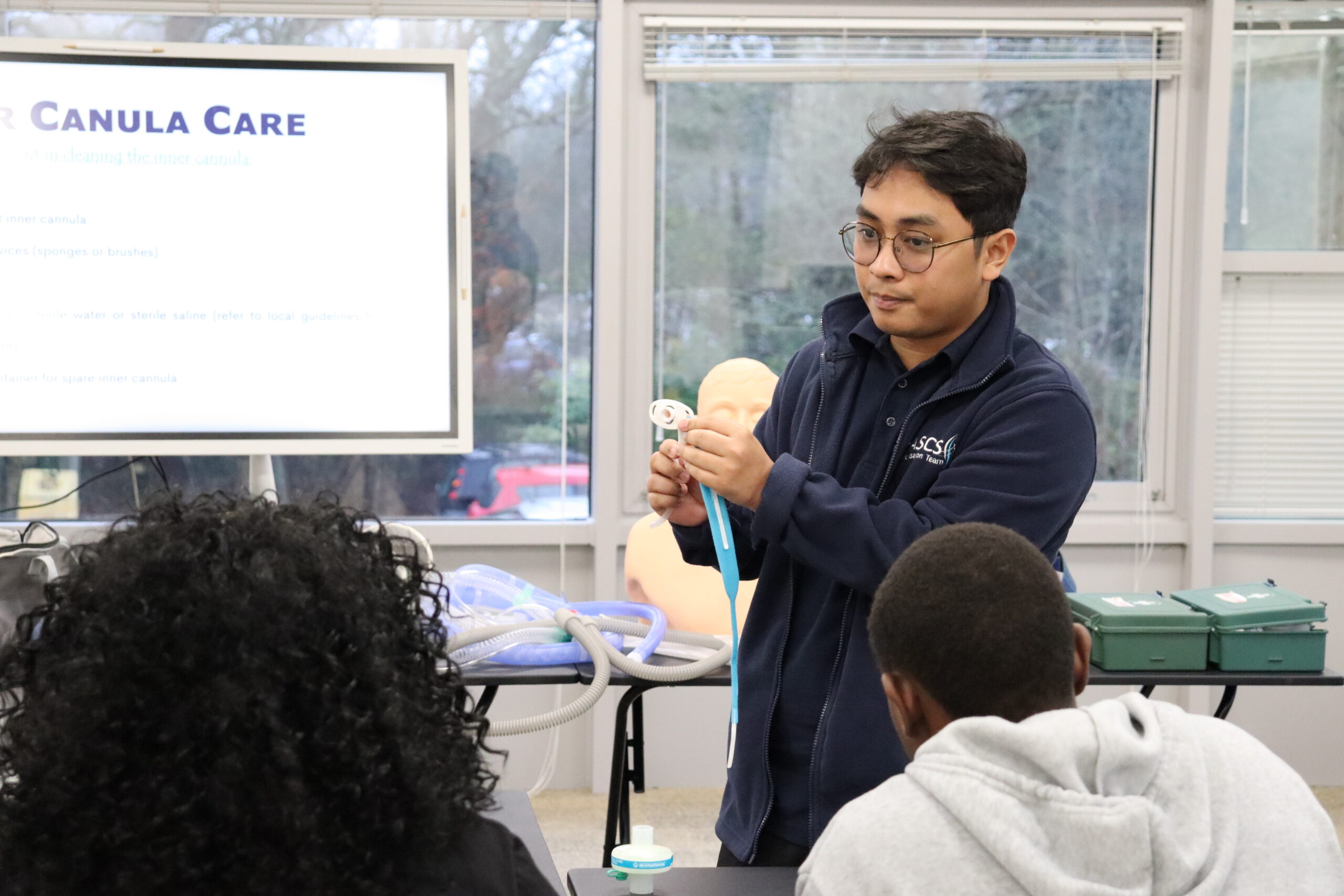
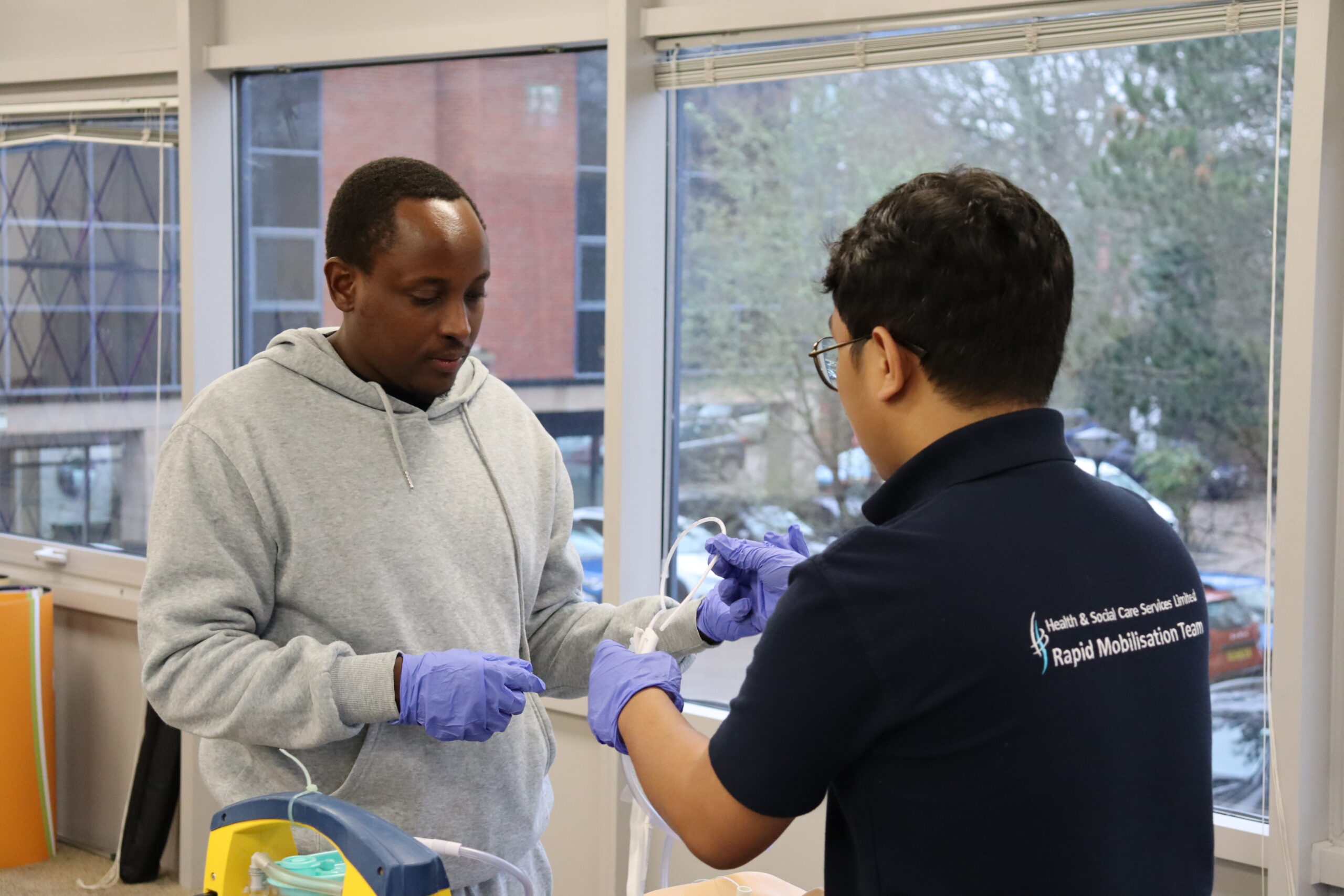
When practising nurses teach you, they’re sharing practical knowledge of what truly happens in care – how to handle situations that catch you off guard, what works when things don’t go to plan, and the small details that make a tangible difference.
The result? Care training that’s so much better for everyone than merely ticking compliance boxes. Less stress on the job, more confidence, and enhanced care.
Here’s why learning from nurses who work in care changes training for the better.
Beyond Tick-Box Compliance
Mandatory training exists for good reasons. Care workers need proper preparation in safeguarding, infection control, medication management, and health and safety. These requirements protect both carers and the people they support.
The problem is how it’s often delivered. For instance, generic online modules are too often designed to cover everything at once. Watch the video, answer the questions, and download your certificate.
You’ve met the compliance requirement, but do you feel prepared to do the job? Often not the case.
In complex care, where you’re managing ventilators, administering medications through feeding tubes, or supporting someone with multiple health conditions, tick-box training isn’t enough.
You need to understand not just what to do, but why you’re doing it and what to watch for when things don’t go exactly to plan.
How Practical Experience Translates
Nurses who are actively working in care understand precisely how everything fits together, from equipment to techniques and protocols.
This matters especially for complex care training. Techniques improve over time, methods evolve, and what worked well a few years ago may no longer be best practice.
The nuance of care is compounded by the fact that no two individuals or families are the same, and working scenarios can vary considerably day to day.
At HASCS, our trainers are clinicians who work directly in care delivery. They understand the situations you’ll face because they’re directly managing them themselves.
Real Situations, Not Just Theory
Care is naturally unpredictable and requires a hands-on, problem-solving attitude.
Nurse-led training prepares you for that. Your instructors share experiences they’ve encountered and how they handled them.
Every ounce of practical knowledge matters when you face challenges in the field. Training courses in nursing at HASCS are practical-focused for this reason.
Building Confidence From Practice
Confidence blooms from practice. Even after generic training, you may still feel underprepared. Nurse-led training fills those gaps:
- Clinical Skills: Learning from someone who uses these techniques daily and can troubleshoot when the situation doesn’t pan out as expected
- Communication: Understanding how to talk with families, clients, and colleagues based on experience
- Problem-Solving: Developing judgement to assess situations quickly and make sound decisions under pressure
- Professional Boundaries: Knowing where to draw lines, when to escalate, and how to maintain appropriate relationships
These skills develop through teaching rooted in experience, which is key to building confidence in your day-to-day working life. This also makes the job far more rewarding more quickly, as you may feel you can move forward without doubt or trepidation.
Choosing Where to Train
If you’re looking at complex care training or nursing jobs, ask who’s teaching. Are they working clinicians or people removed from current care? Do they understand today’s challenges?
Ultimately, the quality of your training affects your confidence and competence. Learning from nurses still doing the job means your training reflects the situations you’ll face every day in the field.
Interested in training that prepares you effectively? Contact our friendly team. We’d love to talk about our training programmes and opportunities in complex care.
-

Your Next Career Move Starts Here: Truro Recruitment Day
We’re excited to announce our upcoming Recruitment Day in Truro! Come and meet the HASCS team on Wednesday 4th March, from 10:30am – 2:30pm, at the welcoming Moresk Centre.This is your chance to discover more about who we are, what we do, and why our values make HASCS such a special place to work.
Whether you’re an experienced healthcare professional or just beginning your career journey, our team will be on hand to chat about roles, training, and how you can make a real difference through the care we provide.
We’re proud to be supported by the Filipino-Cornwall Community Organisation (FCCO) for this event, helping us connect with new members of the local community and continue growing our dedicated workforce.
If you’re passionate about care and want to join a team that’s making a meaningful impact every day, we’d love to meet you!
-

Live-In and Complex Care in 2026 and Beyond: How Home Support Is Evolving
Complex care at home isn’t new, but what counts as manageable outside hospital settings has changed dramatically over the past few years.
Conditions that once meant permanent hospital stays or residential care are now being supported at home with the right care teams in place.
Motor neurone disease, spinal cord injuries, cerebral palsy, multiple sclerosis – these health conditions need specialist support, but that support doesn’t have to mean leaving home.
Here’s how live-in care and complex care are changing to meet increasingly complex health needs.
What’s Coming For Care in 2026
The next year brings some significant developments that should improve home care options.
The Better Care Fund is focusing more strongly on “home first” goals, with systematic use of neighbourhood-based multi-disciplinary teams to provide integrated care for people with complex needs.
Funding for adult social care is increasing, with an additional £4 billion available by 2028-29 compared to 2025-26. Additionally, the Adult Social Care Negotiating Body will be established through regulations in 2026, leading to the first Fair Pay Agreement coming into force in 2028. This should help with recruitment and retention by improving pay and conditions for care workers.
Training standards are getting more attention, too. The Learning and Development Support Scheme continues to support the care workforce to develop new skills and specialisms. This includes specialist training for disability and autism.
Better Training Makes a Huge Difference
Healthcare assistants working in complex care today have access to much better training than before. Clinical skills are taught by nurses who work directly in care, so the training reflects real situations rather than just theory.
Practical knowledge in managing equipment, identifying key changes, and knowing when to seek clinical input improves outcomes for everyone. Ongoing supervision from experienced nurses helps build confidence over time.
When carers feel properly prepared, they provide better support:
- Clinical competence: Understanding medical equipment and using it safely
- Recognising changes: Knowing what’s normal and what needs attention
- Confidence under pressure: Feeling equipped to handle situations calmly
- Ongoing learning: Keeping skills current as approaches improve
That confidence translates into safer, more effective care for people at home.
Care That Fits Around Life
People receiving care at home increasingly have support built around what matters to them.
Whether that’s maintaining work, keeping up with studies, or simply having care that respects how they want to live their day.
Flexibility makes a huge difference. Someone might need help with complex medical needs, but also wants to travel, see friends, or pursue hobbies. Home care can adapt readily.
Personalised support takes more planning, but it helps people live well alongside their health conditions rather than feeling restricted by them.
Technology Playing a Helpful Role
Remote monitoring and other technologies are becoming more common in complex care.
Someone might have overnight monitoring for breathing patterns, or medication reminders that help manage complex schedules. Communication aids help people with limited mobility call for assistance when needed. These work alongside experienced carers rather than replacing the human side of care.
Technology is most useful when carers understand what they’re seeing and how to respond. It’s one tool among many that helps make home care safer and gives families more peace of mind.
What’s Possible Today
Complex care at home continues to improve as training improves and providers gain more experience. More people can stay home with proper support, rather than face extended hospital stays or residential care.
The sector is adapting to meet growing demand. Training programmes are more comprehensive. Technology is offering genuinely useful tools. Providers are building expertise in supporting specific complex conditions.
The best outcomes transpire when providers invest in their teams, maintain strong clinical oversight, and understand the specific conditions they’re supporting – all key principles here at HASCS.
If you’re exploring care options, it helps to talk with providers who can explain what’s genuinely achievable for your particular situation.
Contact our friendly team at HASCS to discuss your needs and answer any questions you have.
-
How Nurse-Led Training Builds Confidence and Competence in Care
Healthcare training can feel miles away from the real thing, but nurse-led training closes that gap.
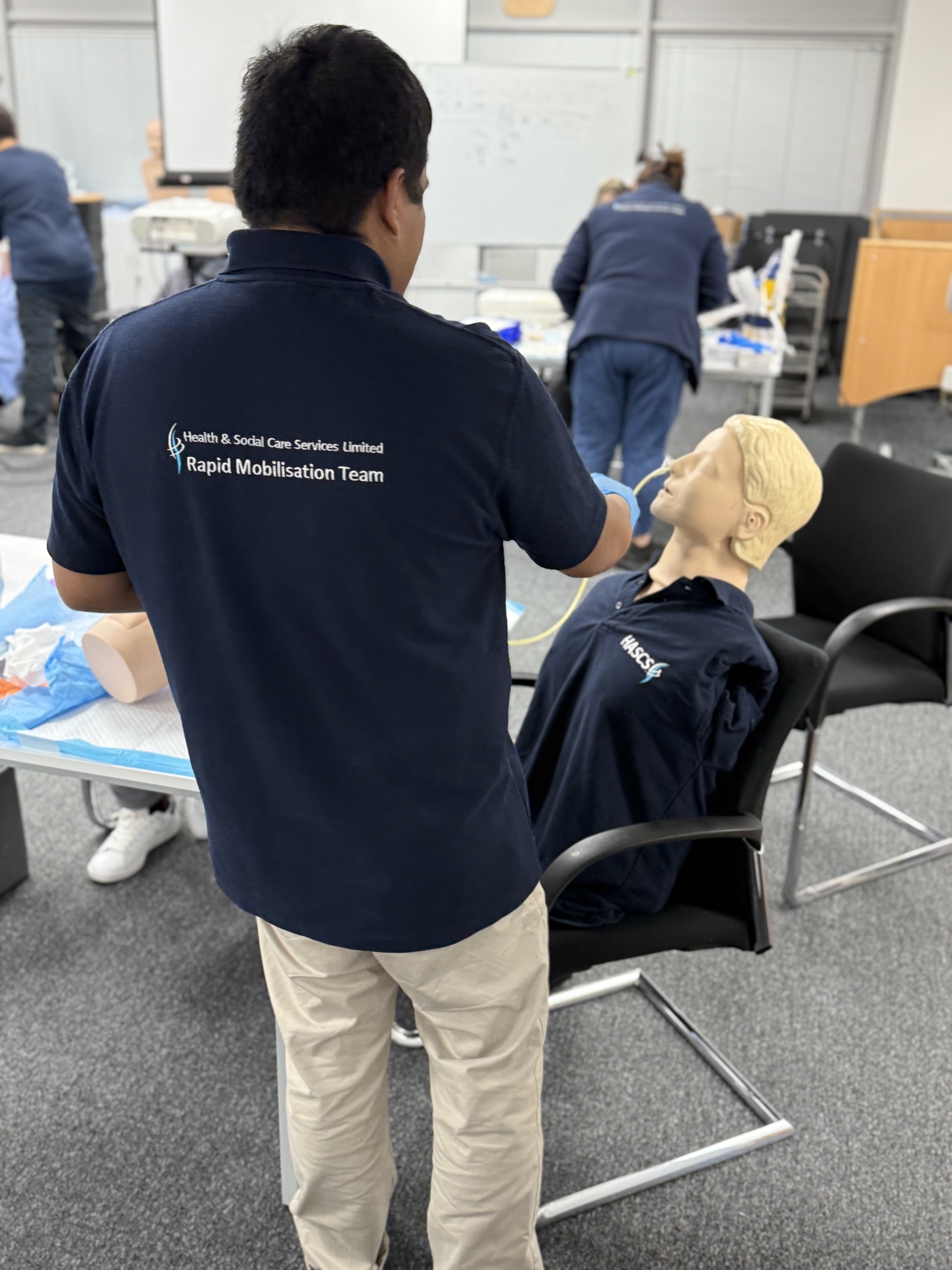
When practising nurses teach you, they’re sharing what actually happens in care – how to handle situations that catch you off guard, what works when things don’t go to plan, the small things that make a real difference.
Here’s why learning from nurses who work in care changes training for the better.How Practical Experience Translates
Nurses who are actively working in care understand precisely the lay of the land and how everything fits together. This spans everything from equipment to techniques and protocols.
This matters especially in complex care training. Techniques improve, approaches evolve, and what worked five years ago might no longer be best practice. The nuance of care is compounded by the fact that no two individuals or families are the same, and working realities can vary considerably day to day.
At HASCS, our trainers are clinicians who work directly in care delivery. They understand the realities you’ll face because they’re managing them themselves.
Real Situations, Not Just Theory
Care is naturally unpredictable and requires a hands-on, problem-solving attitude.
Nurse-led training prepares you for that. Your instructors share experiences they’ve encountered and how they handled them. They’ll tell you what they tried first, what worked, what didn’t, and why. Every ounce of practical knowledge matters when you come to face your own challenges.
Training courses for nursing should have a practical focus. That way, you learn to notice important patterns because your instructor has seen them before and can transfer the knowledge onto you.
Building Confidence From Practice
Confidence in care jobs comes from practice. After generic training, you might still feel underprepared. Nurse-led training fills those gaps. Here’s why:
● Clinical Skills: Learning from someone who uses these techniques daily and can troubleshoot when the situation doesn’t pan out as expected.
● Communication: Understanding how to talk with families, clients and colleagues based on actual experience.
● Problem-Solving: Developing judgement to assess situations quickly and make sound decisions under pressure.
● Professional Boundaries: Knowing where to draw lines, when to escalate, and how to maintain appropriate relationships.
These skills develop through teaching rooted in experience, which is key to building confidence in your day-to-day working life. This also makes the job far more rewarding more quickly, as you may feel you can move forward without doubt or trepidation.
When it comes to complex care specifically, when you train with us at HASCS, our instructors teach from experience managing ventilators, administering complex medications, handling challenging situations, and coordinating between different healthcare providers.
They understand where new carers typically struggle, so that they can brief you in advance.
Choosing Where to Train
If you’re looking at complex care training or nursing jobs, ask who’s teaching. Are they working clinicians or people removed from current care? Do they understand today’s challenges?
Ultimately, the quality of your training fundamentally affects your confidence and competence. Learning from nurses still doing the job means your training reflects the situations you’ll face every day in the field.
Interested in training that properly prepares you? Contact our friendly team. We’d love to talk about our training programmes and opportunities in complex care. -

Cyber Chaos Decoded: Who’s Hacking You and How to Fight Back
In celebration of Cybersecurity Awareness Month, we’re proud to feature a blog post written by Rosh, our cybersecurity intern. This insightful article dives deep into the world of threat actors and hackers, exploring their motivations, tactics, and the real-world impact they have on individuals and organisations alike.
From cybercriminals and state-sponsored attackers to ethical hackers and thrill seekers, the blog breaks down the digital battlefield in a way that’s both engaging and easy to understand. Plus, it offers practical tips to help you stay safe online and reduce your vulnerability to cyber threats.
Whether you’re a tech enthusiast, a concerned user, or just curious about what goes on behind the screen, this is a must-read.
By Rosh Dyquiangco
As technology rapidly advances today, the demand for connectivity and online convenience steadily grows. With that in mind, threat actors are actively scanning and exploiting the lapses in the source code of programs for a multitude of purposes, whether through monetary gain or for political interests. In this article, I will discuss the different types of hackers, threat actors, their motivations behind the screen, and what they aim to achieve. I will also be mentioning tips on how you can stay safe online so that you can minimise the attack surface that threat actors love to sniff out and exploit.
Threat Actors

Figure 1.1 Understanding Threat Actors (Xcitium, 2025)So, who are threat actors? Threat actors are individuals or groups of people who can disrupt the day-to-day operations of companies or even innocent individuals that just browse from reel to reel on Instagram. Their motivations can range from financial gain to something as silly as chasing thrills. Here are the different types of threat actors:
- Cybercriminals – You’ve heard everything about them in the news, and they populate a large portion of online articles today whenever a large company like M&S gets their confidential company data leaked on online forums. They are the ones that exploit or even blackmail companies in forking over a large amount of ransom money in exchange for their company data to be restored. Most of the time, some of them don’t even follow through and just leak your data regardless. Some of them also love to claim that they possess your data / a virus has compromised your computer and you need to contact them urgently to resolve the problem.
- State-funded threat actors- These guys are probably the most terrifying threat actors that you can ever encounter online. With a large government funding their nefarious activities, they have unlimited resources to work with such as powerful computers that can brute-force multiple character passwords within a few minutes or hours, specially curated software for exploiting companies or even different states with the aim of inciting cyberwarfare or committing acts of espionage, and government cover-ups for the online crimes they commit. With such heavy government backing, they are not to be messed with.
- Cyberterrorists – Cyberterrorists are the ones who are responsible for defacing governments with the aims of enforcing their political, ideological or religious beliefs. They often commit crimes as an act of defiance, with the lot of them not agreeing with the stances of government or company leaders. They love to inflict mass hysteria and stains on the reputation of companies or governments worldwide by gaining access to their websites and replacing genuine articles with hateful, political or downright depravity content. Disruption is the name of the game for these folk.
- Thrill seekers- Often barging into databases, websites or servers for the sake of a dopamine hit, thrill seekers don’t necessarily possess a bad nature like your typical cybercriminal or state-sponsored hacker. They break their way into servers to satiate their curiosity, with the aim of educating themselves in the intricacies and inner workings of networks, computers and the like. They also do not wish to inflict irreversible damage to their targets but their actions which are highly disruptive can lead into them deploying cyberattacks of their own in the future.
- Insider threats – There are two types of insider threats in my perspective, both of which have differing natures depending on their goal. Malicious insiders betray their own company by leaking sensitive information to threat actors. This is their own way of expressing dissatisfaction towards the company itself or the employee services. They might also just simply want to siphon money from the company itself. Incautious insiders are employees who are endangering the company with their lack of care, security and awareness training by downloading software from third-party websites on their work computer or falling victim to phishing emails.
Types of Hackers
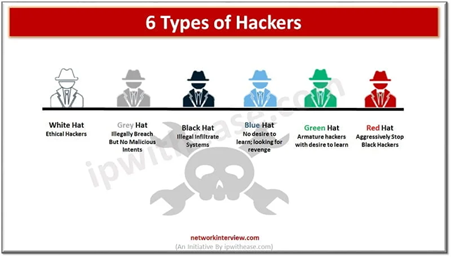
Figure 1.2 6 Types of Hackers (Bhardwaj, 2023)- Blackhat – Blackhats are the cybercriminals utilizing their skill set for various purposes, often of which leads to their personal or financial gain. Their actions cause massive financial losses and irreversible damage to individuals or companies who are unlucky enough to encounter them.
- Whitehat – Whitehats (also known as ethical hackers) are the good guys of the hacking world. They are often hired by companies to sniff out any existing vulnerabilities within a company’s system.
- Greyhat – Greyhats fall between blackhats and whitehats in a way that they will be accessing sensitive information through unethical means but would never harm their target, instead preferring to inform them about what they can do to improve the security of their systems.
- Greenhat – Another term for greenhorn, they are the newbie hackers who are still learning the ropes of hacking. Aspiring to be future ethical hackers or on the cusp of becoming blackhats, they focus on honing their technical skills
- Bluehat – Hackers who commit crimes as an act of revenge. Unlike cybercriminals who would care about financial gain, bluehats are primarily focused on inflicting damage upon an individual or company’s reputation.
- Redhat – The vigilante hackers who actively shut down blackhat activities no matter the cost. While they are inherently like whitehats on paper by possessing good intentions, they are separated by their ways of breaking into a system. Instead of reporting their findings to local authorities, they take it upon themselves to launch attacks on blackhats.
What you can do when you get hacked

Figure 1.3 Question Mark Figure (HiClipArt, 2019)
- Change your password/s as soon as possible. A healthy password to me is at least 12 characters in length, easily memorable and contains a minimum of 5-6 special symbols. This is to throw off brute-force passwords since they try every combination in the book. Special symbols will help massively in slowing this process down.
- Proactively change your passwords every six months and do not use the same password for every account that you own.
- Let your family and friends know that your account has been compromised.
- Try to activate Multi Factor Authentication on all or most of your accounts if possible. This is a very critical step in maintaining your online safety. The one-time code that gets sent to your device every time you login effectively minimizes the windows that hackers can break into and actively deters them unless they steal the physical device itself.
- Contact your local bank for any fraudulent transaction chargers. Usually, they will be the ones contacting you first about urgent matters like transaction authorization but adopting a proactive approach helps massively.
- Be very careful with the Wi-Fi networks that you connect to. Hackers can employ a very simple yet clever way of impersonating a legitimate network. This hacking technique is called the evil twin attack. Hackers will try to match the details of your local coffee shop Wi-Fi network with a specialized router that they bring with them. The moment you connect to the evil twin network, they can monitor everything you do online and even intercept your transactions and online interactions.
Websites to reach out to if you get compromised
- Your local IT support team – They should be the first point of contact if your work account / device gets compromised.
- Report a scam email – NCSC.GOV.UK – You can report phishing emails to them. Their website offers an easy-to-follow guide of how to report malicious email addresses and offers the numbers of local authorities that can act and investigate as soon as possible.
- Report a breach | ICO – This is the website where you can report data breaches to different fields, from UK GDPR breaches to reporting NIS incidents.
- Have I Been Pwned: Check if your email address has been exposed in a data breach – A website that I often use to check if the email address associated with me or another user has been exposed in a data breach forum somewhere on the internet. Just type in your email address, click check and wait for the results.
- Action Fraud – It is the national reporting centre for fraud and cybercrime in the UK.
References
BHARDWAJ, R., 2023. 6 Types of Hackers [viewed 27 October 2025]. Available from: https://networkinterview.com/6-types-of-hackers/
HICLIPART, 2019. HiClipart – Transparent background PNG cliparts for designers [viewed 27 October 2025]. Available from: https://www.hiclipart.com/
XCITIUM, 2025. Xcitium Software [viewed 27 October 2025]. Available from: https://www.xcitium.com/blog/malware/threat-actors/
-

Meet Shara- Rapid Mobilisation Team
Meet Shara, one of our Rapid Mobilisation Team members; learn about her journey with HASCS, and why passion matters just as much as skill. From Dubai to the Philippines to the UK, it’s been a path shaped by experience, empathy, and creativity.
“I’ve been working with HASCS as part of the Rapid Mobilisation Team for over two years. Before that, I was in domiciliary care and later moved into complex care, a field I first encountered in Dubai and through caring for my grandmother and mother in the Philippines.
What I enjoy most about my role is the flexibility and freedom it offers. It lets me express creativity and engage in work I truly love, bringing my passion and ideas to life.
One of my proudest achievements is the trust and respect I’ve built at HASCS. I’ve formed strong relationships with colleagues, clients, and their families. I’m also gaining deeper insight into critical aspects of care, especially patient mobilisation and managing care plans from start to finish—enhancing my skills and expanding my knowledge.
My advice to anyone starting in care: don’t just focus on skills—develop a genuine passion for the job and the people you serve. Skills alone aren’t enough. Without joy and fulfilment, burnout can follow. Empathy and dedication are key, and loving what you do makes all the difference in delivering excellent care.
Think long-term. A high salary doesn’t define success. True fulfilment comes from doing your job well and making a meaningful impact on patients and their families. That’s worth more than money.
What I love about HASCS is their openness to improvement. As staff, we just need to be transparent so they understand what needs to change, while also considering our perspective.
A fun fact about me: I have a creative side I express through building websites, editing videos, organising events, and working on design and branding. I also used to be a professional musician, which adds another layer to my creative background!”
-

Our Safeguarding Statement
At HASCS safeguarding is everyone’s responsibility. We promote a safe culture where concerns are welcomed, listened to and acted upon. Our approach covers children, young people and adults at risk, and applies to all staff, bank/agency workers, contractors, volunteers, students and Trustees/Directors.
1) What we mean by safeguarding
Safeguarding means helping people to stay safe, preventing harm wherever possible, and taking prompt action if anyone is at risk of abuse or neglect. It includes safety online and in the community, respect for people’s human rights, and support to make informed choices.
2) What you can expect from us
- Policies & governance: Clear safeguarding and safer‑recruitment policies, reviewed at least annually, with board‑level oversight.
- Trained team: Induction and regular refreshers appropriate to each role; clear guidance on professional boundaries.
- Safe processes: Risk assessment, incident reporting, whistleblowing and complaints routes that are easy to use and monitored for learning.
- Partnership working: We liaise with local safeguarding partners (Local Authority Safeguarding Teams/Boards, NHS, police, LADO where relevant) and follow local escalation pathways.
- Information sharing: We balance confidentiality with the duty to protect people, sharing information lawfully when it is necessary to keep someone safe.
- Listening & inclusion: We involve people and (where appropriate) families/advocates in decisions, take account of protected characteristics and accessibility needs, and make reasonable adjustments.
Our safeguarding arrangements align with CQC’s Single Assessment Framework (Safe – safeguarding quality statement) and Regulation 13 (safeguarding service users from abuse and improper treatment).
3) How to raise a concern
- Emergency: If someone is at immediate risk, call 999.
- Contact us:
Designated Adult Safeguarding Leads (DSL/DASM):
Sydney Masawi – Clinical Director
Kate Ganzon – Clinical Director
Designated Children & Young Adults Safeguarding Leads (DSL/DASM):
Kate Steel – Paediatric Clinical Director
Jodyne Jurd – Paediatric Clinical Director
Alternatively, you can report directly to your Local Authority or the police. If your concern involves a child and relates to the behaviour of someone working or volunteering with us, we will liaise with the Local Authority Designated Officer (LADO).
If you prefer to remain anonymous, please tell us, your concern will still be taken seriously.
Our safer‑recruitment & conduct standards
- Pre‑employment checks proportionate to role (including DBS where eligible), verified references, identity and right‑to‑work checks.
- Clear codes of conduct, probation reviews, supervision, professional boundaries and social media guidance.
Privacy, records and learning
- We keep safeguarding records securely and only for as long as necessary.
- We review incidents, complaints and feedback to improve practice and share learning.
-
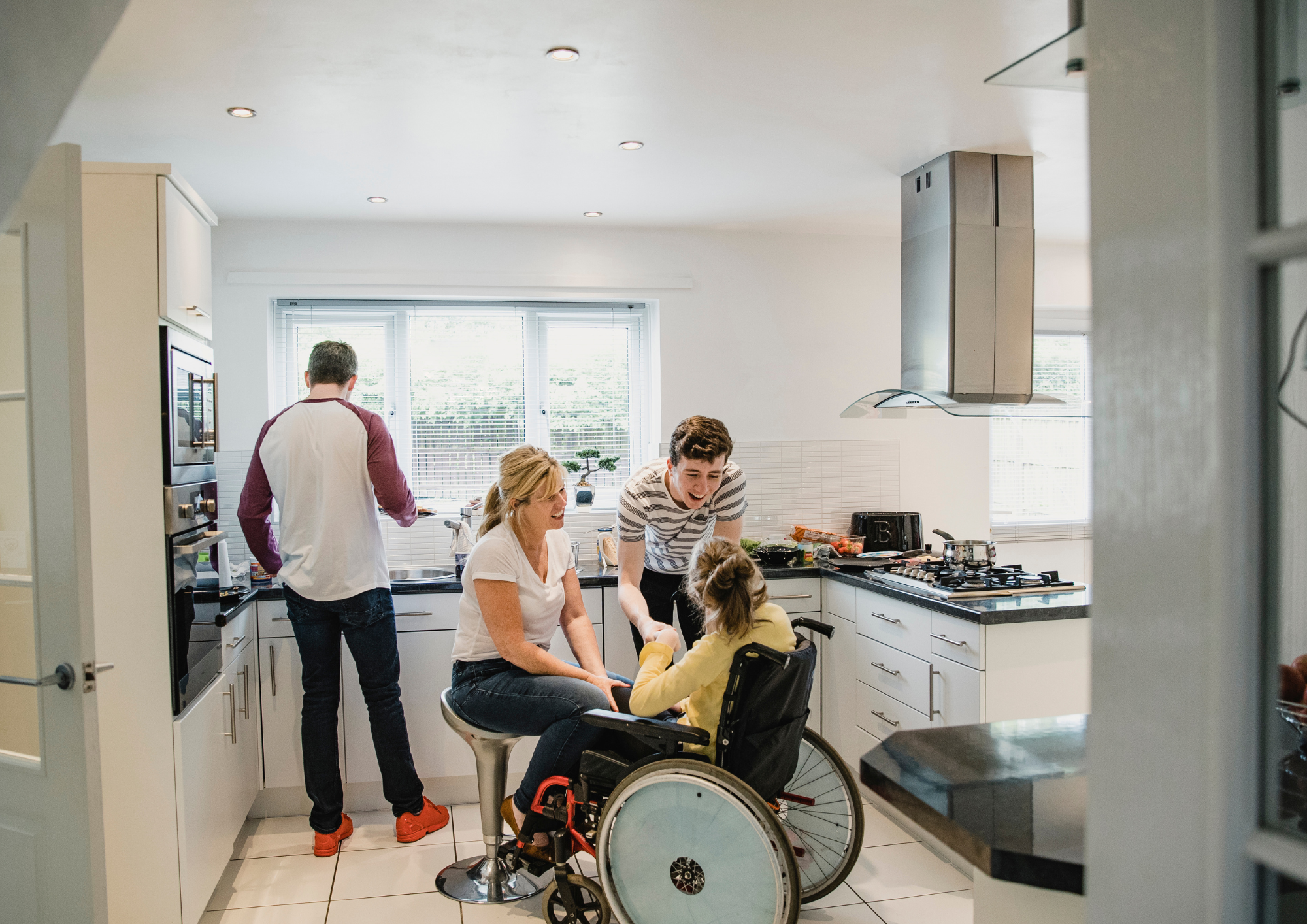
The Role of Family in Complex Care Packages
Family relationships don’t disappear when complex care begins – they simply take on new dimensions.
Professional care teams understand that families bring irreplaceable knowledge about their loved ones, and the best care arrangements build on these strong foundations rather than replacing them.
At HASCS, we see families as essential partners in creating care that truly works. Your insights help us understand not only medical conditions but personality, preferences, and what brings joy to daily life.
How Family Knowledge Makes All the Difference
You know your loved one in ways that no clinical assessment can capture. Their sense of humour, how they communicate when they’re worried, their favourite activities, and what motivates them. All of this matters enormously in creating care.
Many families discover that professional support can enhance their relationships. When trained specialists handle medical tasks, family time can focus on connection, shared interests, and simply enjoying each other’s company.
Staying Involved in Care Decisions
Good complex care providers actively welcome family involvement because they know it leads to better outcomes. You should expect regular opportunities to contribute to care planning, help new team members understand your loved one’s preferences, and provide feedback about how things are working.
Your involvement makes a real difference in several key areas:
- Care planning meetings: Your insights shape daily routines and approaches
- Staff introductions: Help new team members understand personality and communication style
- Quality monitoring: Spot changes in wellbeing that others might miss
- Emergency planning: Guide how teams respond based on your loved one’s typical reactions
- Goal setting: Ensure care supports your family member’s personal aspirations
Working Together as Partners
The most successful complex care arrangements happen when families and professional teams work as genuine partners. Each brings different but complementary strengths to supporting your loved one’s wellbeing and independence.
- Professional carers provide medical expertise, equipment management, and clinical monitoring.
- Family members provide emotional support, advocacy, and a profound understanding of what makes life fulfilling. Both roles are essential for comprehensive care.
Regular communication at the junction between family and carers helps this partnership flourish. Most families find that scheduled check–ins work well – perhaps weekly conversations or monthly meetings to discuss progress and any adjustments needed.
Different Strategies for Different Families
Not every family wants to be involved in the same way, and that’s perfectly fine. Some families prefer being hands-on with daily routines, while others prefer to focus on emotional support and advocacy, leaving the technical care to professionals.
There’s no right or wrong way to do this. What matters is finding what works for your family and your loved one. Good care providers work with your natural style rather than forcing everyone into the same mould.
Beyond care meetings, there are many natural ways to maintain your central role in your loved one’s life:
- Regular social activities: Plan outings, family meals, or hobby time together
- Communication with care teams: Stay informed about daily experiences and progress
- Advocacy: Ensure your loved one’s voice is heard in care decisions
- Future planning: Help guide decisions about housing, education, or work opportunities
- Celebrating milestones: Acknowledge achievements and special occasions together
These connections help ensure that professional care extends and supports rather than replaces family bonds.
Building on Your Foundation
At HASCS, we recognise that every family is different, and we work with your existing relationships rather than attempting to change them. We take the time to get to know your loved one properly – their medical needs, what they enjoy, what motivates them, and what brings them happiness.
Want to talk about how professional care could work with your family? Contact our friendly team. We’d love to hear about your situation and discuss how we can help.
-

The Questions To Ask When Putting Together Your Complex Care Package
Planning complex care can feel overwhelming, especially when you’re already dealing with significant health challenges or supporting a loved one through theirs.
The decisions you make now will affect daily life for months or years ahead, so getting them right matters enormously.
The good news is that asking the right questions upfront can save you considerable stress later on.
When you know what to discuss with potential care providers, you’re much more likely to end up with a package of care that truly meets your needs rather than something that almost works but leaves important gaps.
Read on to learn how to do precisely that.
Understanding Your Care Needs
Before you can evaluate what different providers offer, you first need to determine exactly what you need. This does not just include key medical needs – though those are obviously crucial – but also covers the practical aspects of daily life.
What constitutes complex care for your specific situation? The term covers everything from ventilator support to seizure management, but your particular combination of needs will be unique.
Whether for yourself or a family member or loved one, start by listing all the medical skills required, then think about the skills and experience your care team will need.
The Essential Questions About Medical Support
When discussing clinical requirements with potential providers, dig deep. A skilled and professional care provider will be more than happy to address your questions.
Ask about their experience with your specific condition, how they handle emergencies, and what backup arrangements exist if your usual carer is unavailable.
Key questions to explore include:
- What specific training do your staff have with my condition? General nursing qualifications aren’t always enough for specialist conditions
- How do you handle equipment maintenance and emergencies? Ventilators and other medical devices need expert attention
- What’s your response time for urgent situations? Some conditions require immediate intervention
- How do you coordinate with my existing medical team? Your consultants and therapists need to remain involved
Don’t accept vague answers about being “fully qualified” or “experienced with all conditions.” You need specifics about their track record with cases similar to yours.
Daily Life and Personal Preferences
Complex care needs extend far past medical interventions. The best care packages recognise that you’re a whole person with interests, preferences, and goals that matter just as much as clinical requirements.
Think about what makes life enjoyable and meaningful for you or your loved one.
Do you/they worry about managing a favourite pastime it with mobility limitations? Are there any hobbies or social activities that you/they would like to continue?
Do you/they need support getting to work or other commitments? There are often some vital criteria that you absolutely need to tick. Posing and answering these sorts of questions will help you achieve that.
Questions About Lifestyle Support
Quality care providers understand that maintaining independence and pursuing interests isn’t a luxury – it’s essential for wellbeing. When evaluating potential providers, ask how they support the non-medical aspects of life.
Important areas to discuss:
- How flexible are care arrangements for social activities? Can carers accompany people to events or appointments?
- What support is available for work or education? Many people with complex care requirements continue productive careers
- How do you handle personal preferences and routines? Daily schedules and habits matter enormously
- What happens during holidays or family events? Care shouldn’t prevent the enjoyment of special occasions
The key is to empower the individual and support their lifestyle, opening up opportunities to do everything they possibly can.
Family and Support Network Integration
Your care package doesn’t exist in isolation – it needs to work in conjunction with family, friends, and existing support networks. The best providers understand this and actively work to complement rather than replace these important relationships.
Ask potential providers how they involve family members and what role they expect them to play.
Some families want to remain very hands-on, while others prefer to step back and let professionals handle most care tasks.
Wrapping Up
Assembling the right complex care package requires time and careful consideration, but asking the right questions helps ensure you receive support that truly works for your specific situation.
The goal isn’t just meeting medical needs – it’s enabling the individual to live as fully and independently as possible.
At HASCS, we understand that every person’s care requirements are unique. Our experienced team works with you to create bespoke care packages that support both your clinical needs and personal goals.
Contact our friendly team to discuss how we can help you build the right care solution for your circumstances.Planning complex care can feel overwhelming, especially when you’re already dealing with significant health challenges or supporting a loved one through theirs.
The decisions you make now will affect daily life for months or years ahead, so getting them right matters enormously.
The good news is that asking the right questions upfront can save you considerable stress later on.
When you know what to discuss with potential care providers, you’re much more likely to end up with a package of care that truly meets your needs rather than something that almost works but leaves important gaps.
Read on to learn how to do precisely that.
Understanding Your Care Needs
Before you can evaluate what different providers offer, you first need to determine exactly what you need. This does not just include key medical needs – though those are obviously crucial – but also covers the practical aspects of daily life.
What constitutes complex care for your specific situation? The term covers everything from ventilator support to seizure management, but your particular combination of needs will be unique.
Whether for yourself or a family member or loved one, start by listing all the medical skills required, then think about the skills and experience your care team will need.
The Essential Questions About Medical Support
When discussing clinical requirements with potential providers, dig deep. A skilled and professional care provider will be more than happy to address your questions.
Ask about their experience with your specific condition, how they handle emergencies, and what backup arrangements exist if your usual carer is unavailable.
Key questions to explore include:
- What specific training do your staff have with my condition? General nursing qualifications aren’t always enough for specialist conditions
- How do you handle equipment maintenance and emergencies? Ventilators and other medical devices need expert attention
- What’s your response time for urgent situations? Some conditions require immediate intervention
- How do you coordinate with my existing medical team? Your consultants and therapists need to remain involved
Don’t accept vague answers about being “fully qualified” or “experienced with all conditions.” You need specifics about their track record with cases similar to yours.
Daily Life and Personal Preferences
Complex care needs extend far past medical interventions. The best care packages recognise that you’re a whole person with interests, preferences, and goals that matter just as much as clinical requirements.
Think about what makes life enjoyable and meaningful for you or your loved one.
Do you/they worry about managing a favourite pastime it with mobility limitations? Are there any hobbies or social activities that you/they would like to continue?
Do you/they need support getting to work or other commitments? There are often some vital criteria that you absolutely need to tick. Posing and answering these sorts of questions will help you achieve that.
Questions About Lifestyle Support
Quality care providers understand that maintaining independence and pursuing interests isn’t a luxury – it’s essential for wellbeing. When evaluating potential providers, ask how they support the non-medical aspects of life.
Important areas to discuss:
- How flexible are care arrangements for social activities? Can carers accompany people to events or appointments?
- What support is available for work or education? Many people with complex care requirements continue productive careers
- How do you handle personal preferences and routines? Daily schedules and habits matter enormously
- What happens during holidays or family events? Care shouldn’t prevent the enjoyment of special occasions
The key is to empower the individual and support their lifestyle, opening up opportunities to do everything they possibly can.
Family and Support Network Integration
Your care package doesn’t exist in isolation – it needs to work in conjunction with family, friends, and existing support networks. The best providers understand this and actively work to complement rather than replace these important relationships.
Ask potential providers how they involve family members and what role they expect them to play.
Some families want to remain very hands-on, while others prefer to step back and let professionals handle most care tasks.
Wrapping Up
Assembling the right complex care package requires time and careful consideration, but asking the right questions helps ensure you receive support that truly works for your specific situation.
The goal isn’t just meeting medical needs – it’s enabling the individual to live as fully and independently as possible.
At HASCS, we understand that every person’s care requirements are unique. Our experienced team works with you to create bespoke care packages that support both your clinical needs and personal goals.
Contact our friendly team to discuss how we can help you build the right care solution for your circumstances.
-
Deciding if Live-In Care is Right for You
When someone you love starts needing more help than they used to, it can feel like you’re constantly walking a tightrope between keeping them safe and respecting their independence.
Live-in care often feels like a huge step, but sometimes it’s exactly what’s needed to help your loved one feel secure whilst staying in the place they call home.
If you’re wondering whether live-in care is the right option for your family, here’s how to determine if it’s the right choice for your situation.
Understanding What Live-In Care Means
Live-in care is different from having carers pop in a few times a day. It means having someone living in your loved one’s home, providing support whenever it’s needed – whether that’s help with medication, companionship during lonely afternoons, or assistance if something goes wrong at midnight.
The carer becomes part of the household routine, getting to know your loved one’s preferences, habits, and needs. They’re not just there for emergencies – they’re there for the small moments too.
This type of care is particularly well-suited for individuals with complex care needs who wish to remain in their own homes. It bridges the gap between independence and safety, giving families peace of mind without forcing someone into residential care.
When to Consider Live-In Care?
Sometimes the signs are obvious – a serious fall or a health scare that makes it clear current arrangements aren’t working. However, the indicators are often more subtle and build up over time.
You might notice these changes:
- Your loved one seems increasingly anxious when carers leave, especially in the evenings
- They’re having more accidents or near-misses when nobody’s around to help
- Medication mistakes are more frequent between care visits
- They mention feeling scared, lonely, or worried about coping alone
- You’re getting more emergency calls or making more unplanned visits
Your own stress levels are worth paying attention to as well. If you’re constantly worried, losing sleep, or feeling like you’re trying to coordinate care from multiple providers whilst managing your own life, it might be time to consider a more comprehensive solution.
Questions to Ask Yourself and Your Family
Before making any decisions, it’s worth having honest conversations with your loved one about how they’re feeling about their current situation.
Some people find the idea of live-in care reassuring – knowing someone’s always there can reduce anxiety and worry. Others might worry about losing their privacy or independence.
Understanding any complex care needs for your specific situation is also important. Some people need help managing ventilators or other medical equipment. Others need greater supervision due to dementia or mobility issues. The key is matching the level of support to the needs.
The Real Benefits of Live-In Care
The greatest advantage of live-in care is the consistency of the relationship and the support it provides.
Instead of different people coming and going, your loved one gets to build a real connection with their carer, who learns their routines, preferences, and personality.
The key benefits include:
- Someone available 24/7 for emergencies or sudden health changes
- Consistent monitoring that can prevent small issues from becoming major problems
- Genuine companionship that reduces isolation and loneliness
- Flexible support that adapts to daily needs and feelings
- Peace of mind for families knowing someone caring is always present
All in all, this type of care also allows for much more personalised support. The carer gets to know what makes your loved one comfortable, their favourite foods, and how they like their day structured – all vital for developing a supportive relationship.
Finding the Right Match
The success of live-in care depends largely on finding the right carer who genuinely connects with your loved one. It’s not just about qualifications and experience – personality, interests, and communication style all matter enormously.
At HASCS, we take time to understand each person’s unique situation, from their medical requirements to their personal interests and daily routines.
We provide fully assessed carers who become an integral part of the family, offering a range of services from standard live-in care to complex medical support for individuals with ongoing health conditions.
Our focus is on creating a care package that enhances quality of life whilst maintaining dignity and independence. We work with families to develop arrangements that feel right for everyone involved.
If you’re considering live-in care for your loved one, contact HASCS today to discuss your specific circumstances and explore how our personalised services can make a genuine difference to your family’s life.
-

HASCS Appoints Access Evo as Training LMS
The world of healthcare is always evolving, and so too are the tools that empower carers to deliver the highest standards of support. In an important step towards elevating staff skills, engagement, and compliance, HASCS has appointed Access Evo, the latest AI-powered Learning Management System (LMS) from The Access Group, as its new training platform.
As we roll out Access Evo as our new Learning Management System, we’re also committed to combining its advanced digital capabilities with the strength of our face-to-face, in-house training. This blended approach means staff benefit from the flexibility and personalisation of online modules alongside the meaningful interaction and hands-on practice that only live, in-person learning can provide.
Why Access Evo?
Access Evo represents the next generation of LMS technology, designed from the ground up to spark curiosity, boost performance, and supercharge employee engagement across industries, including healthcare and care services. Built on powerful AI foundations, Access Evo streamlines administrative tasks, delivers personalised training recommendations, and offers actionable insights that empower organisations to focus on what matters most, great learning experiences!
“We’re delighted to launch Access Evo as our new LMS, it’s an exciting step towards delivering even higher standards of care. Our staff now have access to industry-leading training that’s truly flexible, personalised, and ensures we stay ahead on compliance and professional development. Investing in our team’s learning means better outcomes for those we support, every single day.” Marianne Potgieter, Head of Quality and Governance
Building a Culture of Continuous Learning
For us, continuous professional development is what makes great teams. By integrating Access, we aim to not only meet compliance obligations but also foster a vibrant learning culture, helping our team explore new topics, discover inspiration, and build their careers for years to come. Accompanied by our face-to-face training, our teams are supported
As healthcare faces new challenges, innovative solutions like Access Evo promise to keep care teams agile, knowledgeable, and ready to deliver exceptional support every day.
-
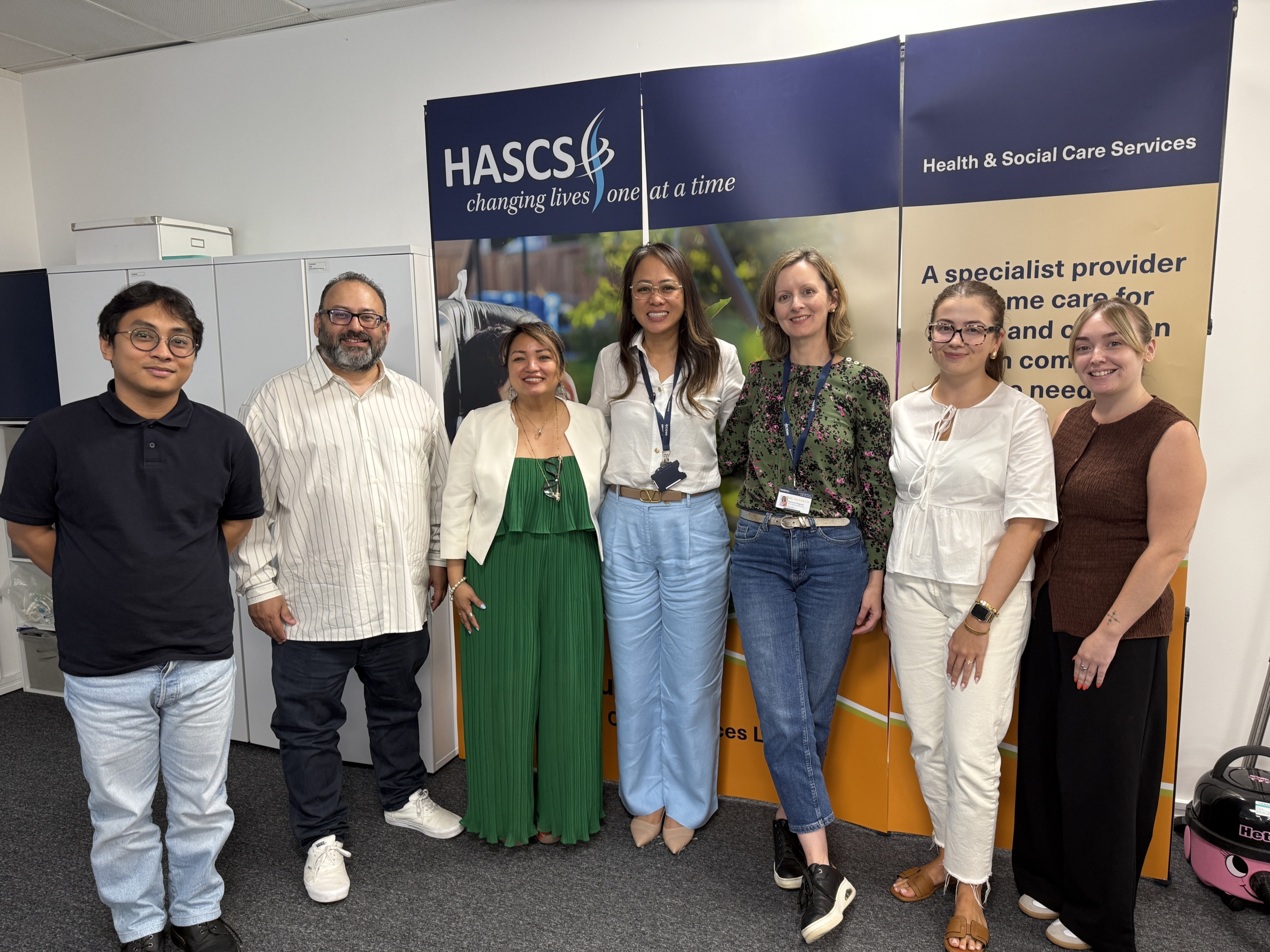
Announcing our partnership with Lawyery
We’re thrilled to share some exciting news: we’ve partnered with Lawyery, a leading legal consultancy founded by solicitors Chris and Crystal Dias.
Chris and Crystal, renowned specialists in immigration and family law, have built their practice on a foundation of dedication, expertise, and a commitment to providing efficient, tailored, and high-calibre legal assistance. Their passion lies in helping individuals and families successfully navigate the complexities of challenging and critical legal matters.
What This Means for Our Team
With Chris and Crystal offering expert guidance on the latest updates and ever-evolving landscape of immigration law, we’re taking proactive steps to ensure our internationally recruited team members feel informed, supported, and confident, no matter where they are in their journey.
Maintaining the wellbeing of our diverse team is a top priority, and this partnership reflects our ongoing commitment to providing not only legal security, but also peace of mind to everyone who works with us. By working closely with Lawyery, we’re empowering our colleagues and their families to access timely information and resources concerning immigration matters.
“Lawyery are very excited to be partnering with HASCS to offer legal advice and support to the company and its staff. We specialise in Skilled Worker and Health and Care Worker applications, as well as other immigration matters such as family reunion, spouse and partner visas, indefinite leave and British nationality. We have agreed discounted rates on our normal fees for HASCS members, as well as free online booking, so we look forward to working with you.” Chris and Crystal Dias, Lawyery Founders
Looking Ahead
We are excited about the road ahead and the benefits this partnership will bring to our team. We look forward to collaborating with Lawyery and leveraging their expertise to support our community.
“We are delighted to partner with Lawyery and benefit from the expertise of Chris and Crystal Dias. Supporting our international team members through every step of their journey is an essential part of our culture, and this collaboration helps us ensure they have access to the very best legal advice and care. We’re proud to reinforce our commitment to a diverse and empowered workplace.” Riza Tongson-Espe, CEO
-

Meet Neriessa, HASCS Healthcare Assistant and Team Leader
Healthcare assistants, support workers and nurses, what would we do without them? Meet Neriessa, HASCS Healthcare Assistant and Team Leader.
“I am currently working as a Healthcare Assistant and have been part of the HASCS team since June 2023. With a background as a licensed Medical Technologist in the Philippines, I gained valuable clinical experience working closely with patients. Transitioning into complex care felt like a natural step, allowing me to apply my skills in a more personal and impactful way.
My previous role taught me the importance of compassion, attention to detail, and strong teamwork, qualities I continue to carry into my work at HASCS. I find the most rewarding part of my role is knowing I can make a difference in someone’s day by supporting their well-being and helping them live with dignity and comfort.
One professional achievement I’m proud of is the growth I’ve seen in myself since joining HASCS. From building my confidence to stepping into a Team Leader role, I’ve had the opportunity to support both clients and colleagues, which has been incredibly fulfilling.
My advice to anyone beginning a career in care is to stay connected to your purpose. There will be challenging days, but approaching each client with kindness, empathy, and patience can make a lasting difference.
What I appreciate most about working at HASCS is the strong sense of community and support. It’s a place where both clients and staff feel truly valued.
A fun fact about me: I love to travel and capture moments through photography. Watching sunsets is one of my favourite ways to unwind and appreciate the beauty in everyday life.”Interested in learning more about our team? Visit our ‘About Us’ page to meet the entire HASCS team.
-
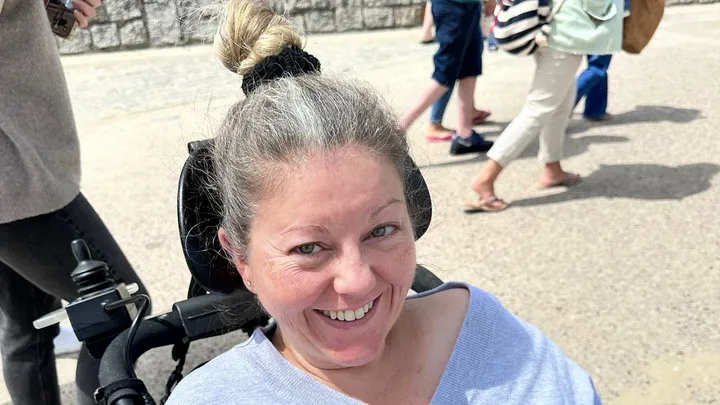
Supporting a Family’s Disney Dream
Helping One Mum and Daughter Make Precious Memories at Disneyland Paris
At HASCS, we believe in more than just providing practical support, we believe in helping our service user live their lives to the fullest, even in the face of life’s greatest challenges. Today, we’d like to share the story of our service user George, a remarkable single mother living with Motor Neurone Disease (MND), and her 10-year-old daughter, who is the light of her life.
George’s journey has not been easy. Two years ago, she was diagnosed with MND, a condition that has changed every aspect of her daily routine. Now reliant on an electric wheelchair and requiring a ventilator 24-hours-a-day, George faces daily challenges that most of us can only imagine. Yet, her positivity and determination to make lasting memories with her daughter inspire all of us who support her.
One special dream tops George’s “wish list”: a magical trip to Disneyland Paris with her daughter. For them, this isn’t just a holiday, it’s an opportunity to step away from the everyday realities of medical appointments and equipment, and experience the wonder, joy, and adventure that Disneyland represents. More than anything, George hopes to create cherished memories for her daughter, moments she can treasure forever.
However, the financial strains that come with long-term care, accessibility needs, and specialist equipment make fulfilling this dream extremely difficult. Everyday expenses leave little room for such special experiences, which is why George has set up a fundraising campaign to help make this wish a reality.
How you can help
We have seen first-hand how acts of kindness and community support can transform lives. Every donation, no matter the size, makes a difference. By contributing to George’s fundraiser or sharing her story, you’re helping to gift a mother and daughter the most precious thing of all, time together making magical memories.
With a little help from friends, neighbours, and compassionate strangers, we can turn a heartfelt dream into a beautiful reality.
Visit George’s fundraising page here!
-
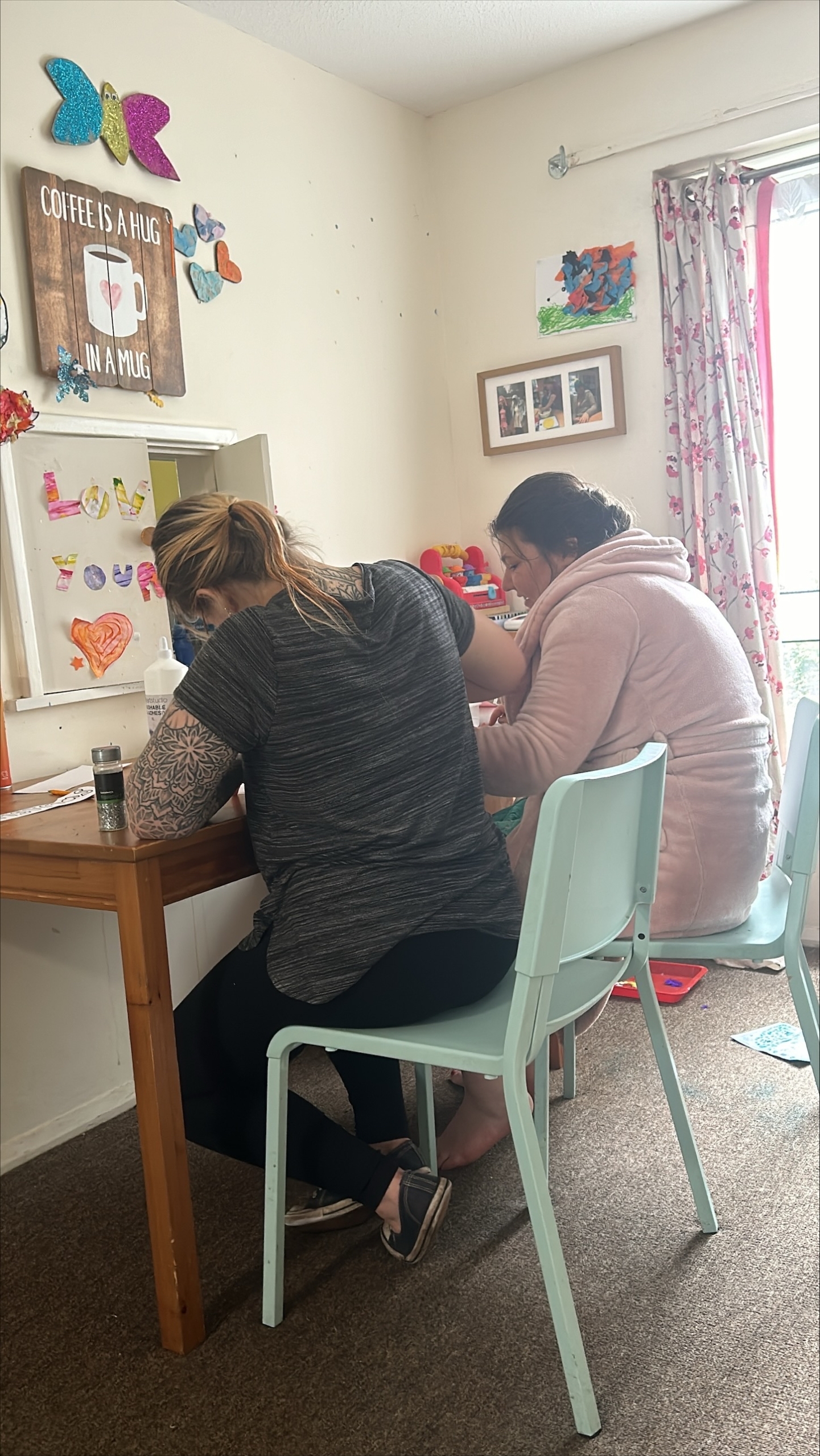
Building Independence: Helping Individuals with Learning Disabilities Thrive
When previous care arrangements have broken down repeatedly, families often feel like they’re running out of options.
You might be wondering whether your loved one will ever find the stability they deserve – or worse, whether another failed support package could mean yet another hospital admission.
Here’s what we’ve learned, though. When care arrangements fail, it’s not because the person is “too difficult” to support.
Why Previous Care Arrangements Break Down
Let’s be honest about what’s really happening when support packages fail repeatedly.
Often, the issue is that many providers lack the specialist understanding needed to work effectively with complex behaviours.
Think about it from the individual’s perspective. They might have experienced multiple moves, different care teams, and constant changes in routine. Each failed arrangement chips away at their confidence and sense of security.
The most common reasons care arrangements break down include:
- Staff without proper training in learning disabilities and behavioural support
- Rigid care plans that don’t adapt to individual needs
- Lack of understanding about triggers and communication styles
- Insufficient support during transition periods
When these elements combine, even the most well-intentioned care can quickly become unsustainable. The person ends up moving again, and the cycle continues.
What Makes the Difference: Specialist Training and Understanding
When care teams receive proper specialist training, everything changes. It’s not about managing behaviour; it’s about understanding the person behind it.
Specialist training means learning to read the early signs that someone’s becoming overwhelmed, rather than waiting for a crisis to develop. It means understanding that repetitive behaviours might be self-soothing techniques, not problems to eliminate.
Most importantly, it means seeing challenging moments as opportunities for communication rather than obstacles.
A holistic care package considers the whole person – their history, their preferences, their fears, and their lifestyle. This prevents many crises before they start, creating a calmer environment for everyone involved.
A key aspect of supporting individuals with learning disabilities and challenging behaviours is working collaboratively with multidisciplinary teams, families, carers, and advocates. By fostering open communication and partnership among all those involved in a person’s care, we ensure that support plans are holistic and truly reflect the individual’s needs and aspirations.
We are committed to giving each service user a voice in decisions that affect their lives, empowering them to express their preferences and take an active role in shaping their own journey toward independence. This collaborative approach helps guarantee that all actions are taken in the best interests of the individual, promoting dignity, respect, and genuine inclusion within the community.
Integrating into the Community: Small Steps, Big Changes
Now, let’s discuss what successful community integration looks like in practice. It’s not about throwing someone into busy social situations and hoping for the best – it’s about building confidence through carefully planned experiences.
Community integration might start with something as simple as regular visits to the local corner shop. The same staff, the same routine, building familiarity over time. Then perhaps joining a community group that matches their interests, or volunteering somewhere they feel valued.
The key elements of successful community integration include:
- Building relationships with understanding local businesses
- Finding activities that match individual interests and abilities
- Creating positive experiences that build social confidence
- Developing practical skills in real-world settings
What we notice time and time again is that when someone feels they have a place in their community, their overall well-being improves dramatically.
Building True Independence Through Person-Centred Care
Independence doesn’t mean doing everything alone – it means having choice and control over your life.
For someone with learning disabilities, this might mean choosing what to wear, deciding which activities to join, or expressing preferences about their daily routine.
The most effective complex care packages focus on developing skills while respecting individual pace and preferences.
Some people thrive on structure and routine, while others need more flexibility. Some love social activities, while others prefer quieter pursuits. There’s no one-size-fits-all solution.
What matters is that the person feels heard and respected. When someone has spent years being moved from one failed care arrangement to another, rebuilding their confidence takes time and patience.
But the results – increased independence, better wellbeing, and genuine community connections – make every effort worthwhile.
If you’re looking for a care provider who understands complex needs and has a proven track record of success where others have struggled, HASCS could be the answer you’ve been searching for.
Get in touch to discuss how we can help build a stable, fulfilling future for your loved one.
-
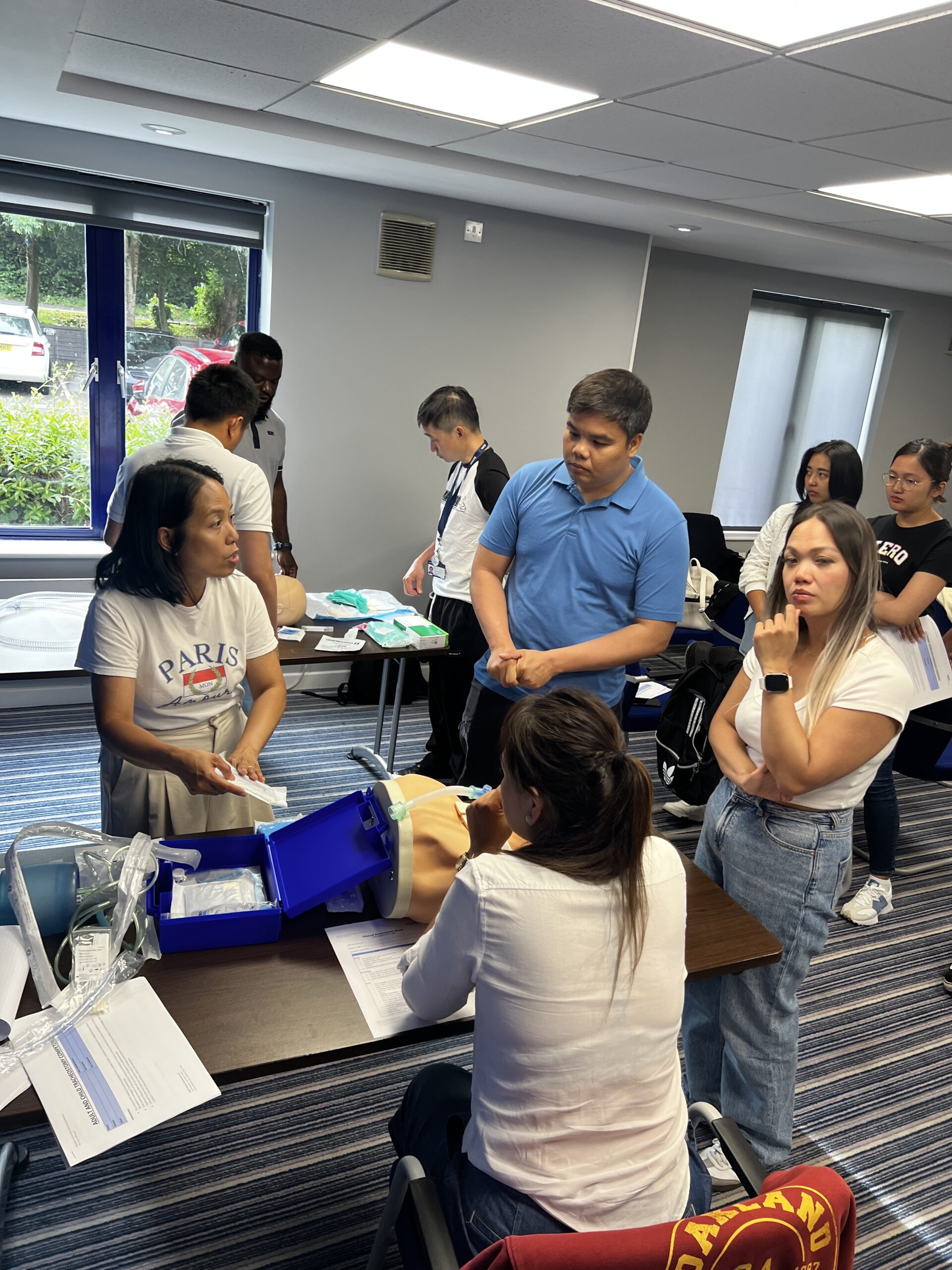
Our CSTF Commitment to Clinical Excellence and Staff Training
At the heart of our service lies a steadfast commitment to exemplary training for quality and safety. As a provider of regulated health care services, we understand that our responsibility goes far beyond simply delivering care, it extends to ensuring that every member of our team is equipped with the knowledge, skills, and confidence to provide the highest standard of service.
Healthcare is a dynamic and ever-evolving field. New research, technologies, and best practices are constantly emerging, and it’s essential for healthcare professionals to stay up to date. Proper training is not just a regulatory requirement; it’s a cornerstone of patient safety, staff well-being, and overall clinical excellence. Our service users trust us to care for them in their homes, and we owe it to them to ensure that our team is always prepared to meet their needs with competence and compassion.
Aligning with the UK Core Skills Training Framework (CSTF)
To reinforce our commitment to clinical excellence, we have meticulously aligned our staff training modules with the UK Core Skills Training Framework (CSTF). Developed by Skills for Health in 2013, the CSTF provides a nationally recognised benchmark for essential training in the healthcare sector. This framework outlines the core skills and knowledge that all healthcare workers should possess, regardless of their role or setting.
By aligning our training with the CSTF, we ensure that our team receives consistent, high-quality education that meets national standards. This not only helps us maintain compliance with regulatory bodies but also fosters a culture of continuous improvement and professional development within our organisation.
What does CSTF alignment mean for our team and service users?
For our team, CSTF alignment means access to robust, evidence-based training that covers vital topics such as infection prevention and control, safeguarding, health and safety, and more. It empowers our staff to perform their roles confidently and effectively, knowing they are supported by the latest guidance and best practices.
For our patients and service users, it means peace of mind. They can trust that the care they receive is delivered by professionals who are not only compassionate but also highly skilled and up to date with the latest standards in healthcare.
Our commitment to clinical excellence is ongoing. We regularly review and update our training modules to reflect changes in the healthcare landscape and to ensure we are always meeting, and exceeding, the expectations set by the CSTF. By investing in our team’s development, we are investing in the quality of care we provide to every individual who relies on our services.
At the end of the day, our vision is simple: to deliver safe, effective, and compassionate care. By prioritising comprehensive training and aligning with the UK Core Skills Training Framework, we are proud to set the standard for excellence in healthcare provision.
Interested in learning more about our team? Visit our ‘About Us’ page to meet the entire HASCS team.
HASCS is a leading provider of complex care services, committed to delivering compassionate, high-quality care to individuals and communities in need.
-

Charity Update: HASCS Hike Highlights
On Saturday, 14th June 2025, our community laced up their boots, packed their snacks, and came together in the heart of the New Forest for a truly special cause: the Brecon’s Forever Home Fund. With the sun peeking through the ancient canopy and wild ponies grazing nearby, the HASCS Hike brought together friends, families, and supporters for a memorable 15km journey along the Brockenhurst and Tall Trees Trail.
Why We Walked
For many of us, Brecon, affectionately known as Brecs, is more than just a name. His journey, marked by courage and resilience, has touched countless hearts. Born with dup15q syndrome, a rare chromosome disorder, Brecon faces complex medical and care needs. As he approaches adulthood, securing a safe, permanent home is not just a wish, but a necessity for his well-being and future independence.
Our hike wasn’t just about the miles, it was about making a difference. Every step, every conversation, and every donation helped raise awareness and vital funds for Brecon’s Forever Home Fund. If you’d like to read more about Brecon’s story or contribute, you can still visit the fundraiser page here.
The Day in the Forest
The morning buzzed with excitement as hikers gathered at Brockenhurst Train Station. After a quick briefing (and a few last-minute coffee runs!), we set off at 10am sharp. The 15km circular route led us through towering redwoods, sun-dappled glades, and open heathland where wild ponies watched our progress with gentle curiosity.
The trail, mostly flat and accessible, offered something for everyone. There were plenty of rest stops for snacks, chats, and photo opportunities, and yes, a few muddy boots!
A Well-Earned Finish
After a few hours of walking, laughter, and shared stories, our group arrived at The Snake Catcher pub for a well-deserved late lunch.
How You Can Still Help
Missed the hike? There are still plenty of ways to get involved:
- Spread the Word: Share Brecon’s fundraiser link with friends and family.
- Donate: Every contribution, big or small, helps secure Brecon’s future.
- Stay Connected: Interested in joining our next event? Email us at marketing@hascs.optweb.co.uk or visit our contact page.
Thank You
A huge thank you to everyone who walked, donated, or cheered us on from afar. Your support means the world to Brecon and his family. Together, we’re one step closer to making Brecon’s forever home a reality.
Let’s keep the momentum going; see you at the next HASCS Hike!
-

HASCS Climate and Environment Strategy
At Health and Social Care Services, we recognise the urgent need to address climate change and are committed to playing our part in creating a sustainable future. We pledge to reduce our impact and become a carbon neutral business by 2030.
To do this we must look at all areas of HASCS, including:
Energy Efficiency & Renewable Energy
- Upgrade infrastructure to improve energy efficiency and reduce consumption.
Sustainable Procurement
- Work with suppliers who share our sustainability values.
- Prioritise low-carbon and circular economy products and services.
Green Transport
- Transition our vehicle fleet to electric or hybrid by 2028.
- Promote active and public transport for staff and service users.
Waste Reduction & Recycling
- Achieve zero waste to landfill by 2029.
- Implement robust recycling and reuse programs across all sites.
Transparency & Reporting
- Publish annual sustainability reports to track progress.
- Engage stakeholders and the community in our journey to net zero.
Carbon Offsetting (as a last resort)
- Invest in certified carbon offset projects to neutralize any remaining emissions by 2030
We are dedicated to fostering a healthier environment for our clients, staff, and the wider community. Together, we strive to deliver outstanding care while protecting the planet for future generations.
-

Exciting News: Welcoming Our New Learning Disability Lead Nurse to HASCS
At HASCS, our mission to provide exceptional, person-centred care continues to drive everything we do. Today, we are thrilled to share some fantastic news with our community: we have welcomed Zoe Moore as our new Learning Disability Lead Nurse!
A New Chapter for Our Learning Disability Services
This appointment marks a significant milestone in our journey to be a clinically led, ethical, and solution-focused organisation. Our new Learning Disability Lead Nurse will play a pivotal role in shaping the care strategy for our service users with learning disabilities, helping us further our vision of empowering individuals to live inclusive and fulfilling lives within the community.
What This Means for HASCS
With Zoe on board, we are even better positioned to…
- Educate: Provide ongoing training and support to our clinical teams, ensuring the highest standards of care.
- Advocate: Champion the rights and needs of our service users, ensuring their voices are heard and respected at every stage.
- Lead: Strengthen and refine our clinical framework, supporting individuals at every step of their journey.
Looking Ahead
We are excited about the future and the positive impact Zoe will have on our service users, their families, and our dedicated staff. Their passion, expertise, and commitment to high-quality care will be instrumental as we continue to grow and innovate.
Please join us in welcoming Zoe! We look forward to sharing more updates as she settles into her role and begins to make a difference.
Thank you to everyone who expressed interest in this position. Stay tuned for more news and opportunities as HASCS continues to expand and enhance our services.
-

Meet Ira, Healthcare Assistant
Meet Ira, HASCS Healthcare Assistant. She has been with us since 2023 and has made a great impact in her time here.
“My job title is Health Care Assistant, and I have been working with HASCS for around two years. During this time, I’ve had the opportunity to support clients with compassion and professionalism, and I continue to value the experience and growth this role provides.
I was given the opportunity to work in Complex Care, and I’m truly grateful for it. I’ve always wanted to step out of my comfort zone and take on more meaningful challenges. This role allows me to be more proactive in supporting individuals with complex needs, and it’s incredibly rewarding to know that I can make a positive impact on their lives, even in my own small way.
I worked for the Department of Health in the Philippines for a solid six years. After that, I managed a few businesses and volunteered in care homes and orphanages whenever I got the chance. Those experiences have taught me so much, especially when it comes to working with different kinds of people; patients, children, and the elderly. I’ve faced a variety of challenges, and I’m proud to say I was part of the solutions.
These roles have taught me how to be resilient and have reminded me of the importance of staying grounded. Attending to others’ needs has always been humbling, and it continues to inspire me to give my best in everything I do.
What I enjoy most about my role is being able to connect with people. It gives me the chance to make a difference in someone’s life, no matter how simple or big that difference may be. I love knowing that something I did, whether small or significant, helped someone feel better or see life a little more positively. Seeing them smile and knowing I had a part in that means so much to me.
I’m truly thankful to HASCS for giving me this opportunity, not only to grow personally, but to be part of someone else’s journey, too. I’m grateful for the support in helping us sharpen our skills and for providing the training we need to care for our clients effectively and efficiently.
I’m also thankful that every day brings new opportunities to grow, not just for myself, but for the people we care for. I love knowing that, over the years, I’ll carry these memories and lessons with me. Everyone I’ve had the chance to care for will always be a part of me, just as I hope I’ve been a small part of their story as well.
I’ve always believed that every job is an opportunity to learn and grow, each one shaping you into a better version of yourself. Over the years, I’ve faced many challenges in different roles, but becoming a Healthcare Assistant has been a real turning point for me. It helped me realise a deeper purpose in life. At my core, I’ve always wanted to help people whenever I could, and now, I’m living that dream with a true sense of purpose.
Being able to support others and be a part of their lives has given me a deep sense of fulfillment. It’s more than just a job, it’s a chance to make a real difference. And for me, that’s something I’m truly proud of.
Always lead with your heart in everything you do. I truly believe that when your heart is in the right place, every action, no matter how big or small, will be in the best interest of the people you’re caring for. This career isn’t for the faint of heart or for anyone who isn’t willing to give their best every single day.
Patience, resilience, and compassion are essential. You’ll face challenges, but the impact you make is powerful and lasting. In the end, everything you give comes back to you, often in ways you’d never expect, sometimes a hundred times over. Caring for others can be tough, but it’s also one of the most meaningful and rewarding paths you can take.
I love reading and have a pretty solid collection of books. I’m also into movies and really enjoy talking to people, even strangers. I can chat with someone for hours without getting bored because I genuinely love hearing different stories. Whether it’s from a stranger, a friend, family, a movie, or a book, there’s always something to learn. Through these stories, I get to experience others’ pain, joy, disappointments, sadness, and grief, and understand the reasons behind their unwavering courage to overcome challenges and succeed. I get to feel what they’ve felt, their happiness, struggles, and victories. I think that’s what keeps me curious and inspired. I love exploring the world, not just through my own experiences, but through other people’s as well.”
Interested in learning more about our team? Visit our ‘About Us’ page to meet the entire HASCS team.
HASCS is a leading provider of complex care services, committed to delivering compassionate, high-quality care to individuals and communities in need.
-
More Than Just Words: How HASCS’ Values Drive Quality Complex Care
There’s a warmth, a sense of purpose, and a quiet confidence that sets exceptional care providers apart.
That’s what you’ll find at HASCS – a complex care provider where six core values aren’t just framed on a wall but lived and breathed every day.
In complex care, values form the invisible framework that shapes every interaction, decision and outcome. These principles guide how HASCS designs each package of care and supports our team members.
Let’s dive into what these values really mean in practice, both for people needing support and those looking for meaningful caring jobs.
Caring: The Human Touch in Complex Care
Technical skills matter in complex care, but they’re not enough on their own. HASCS prioritises genuine compassion, knowing that how care is delivered matters just as much as what’s delivered.
For people with complex care needs:
- Support delivered with warmth and kindness, not clinical detachment
- Carers who take time to understand the person behind the care plan
- Attention to the emotional side of living with complex care needs
- Relationships built on genuine connection, not just duty
For healthcare professionals:
- A workplace that values your natural empathy as a professional strength
- Time to build meaningful relationships, not just tick boxes
- Recognition that compassionate care benefits your wellbeing too
- Support to maintain your caring nature even in challenging situations
Responsible: The Foundation of Trust in Complex Care
When you’re managing complex care needs, responsibility is central. We understand that being entrusted with someone’s wellbeing is both a privilege and a serious commitment.
For people with complex care needs:
- No more waiting, wondering if your carer will turn up on time
- Peace of mind knowing procedures will be carried out properly, every time
- Confidence that someone’s keeping an eye on the bigger picture of your care
- The relief of having a team that doesn’t pass the buck when challenges arise
For healthcare professionals:
- Working somewhere that trusts you with meaningful responsibility
- Clear guidance that helps you deliver care confidently and competently
- Recognition that your reliability directly improves someone’s quality of life
- Being part of a team where everyone contributes
Courageous: Standing Up for Better Complex Care
Sometimes, delivering brilliant complex care means having the courage to challenge how things have always been done. HASCS embraces this – whether that’s speaking up when something could be improved or through pragmatic problem-solving.
For people with complex care needs:
- Support that isn’t constrained by “we’ve always done it this way”
- Carers who’ll champion what you really need, not just what’s easiest to provide
- Fresh solutions to difficulties others might have given up on
- A team willing to have honest conversations, even about tricky subjects
For healthcare professionals:
- The backing to suggest better approaches when you spot them
- A workplace that welcomes your fresh ideas rather than shutting them down
- Support to grow your confidence in advocating for those in your care
- Freedom from the fear of speaking up when something doesn’t seem right
Collaborative: Bringing Minds Together for Better Complex Care
No single person has all the answers when it comes to complex care. HASCS builds genuine partnerships – between different professionals, with families, and most importantly, with the person at the centre of it all.
For people with complex care needs:
- Care planning that actually listens to what matters to you
- Different aspects of your support working smoothly together
- Your family’s insights valued alongside professional expertise
- Being treated as the expert on your own life and preferences
For healthcare professionals:
- The richness of working with colleagues from different backgrounds
- Regular chances to share what you’ve noticed and learn from others
- A workplace where asking for help is seen as strength, not weakness
- The satisfaction of solving complex challenges through teamwork
Honest: Vital to Communication in Complex Care
Complex care isn’t always straightforward, and pretending otherwise helps nobody. HASCS values honest communication – clear, direct and truthful, even when the truth is difficult.
For people with complex care needs:
- Realistic discussions about what your care package can achieve
- Straight answers to your questions without jargon or evasion
- Updates about your care that tell it like it is, not what you might want to hear
- Relationships built on trust rather than false reassurance
For healthcare professionals:
- A culture where asking questions is encouraged, not frowned upon
- Clear feedback that genuinely helps you improve
- Relief from the pressure to pretend everything’s perfect when it isn’t
- The freedom to admit when you’re not sure and need guidance
Responsive: Keeping Pace with Changing Complex Care Needs
If there’s one constant in complex care, it’s change. Needs evolve, situations develop, and yesterday’s perfect solution might not work tomorrow. We build flexibility into everything we do.
For people with complex care needs:
- Support that adapts quickly when your situation changes
- Prompt, effective responses when something unexpected happens
- Care planning that looks ahead to possible changes in your needs
- The security of knowing emergencies will be handled swiftly and competently
For healthcare professionals:
- The authority to adjust care approaches as needed
- Clear guidance for emergencies combined with trust in your judgement
- Support to develop your decision-making skills
- A workplace that values quick thinking and appropriate action
Values in Action at HASCS
These six values work together to create complex care that truly stands out – clinically excellent while remaining deeply human. They form an organisation where both care recipients and care professionals can thrive.
Whether you’re exploring options for complex care needs or looking for a meaningful career in healthcare, HASCS offers something different – complex care built on values that matter.
Fancy a chat about how HASCS could support your complex care needs or provide your next rewarding career step? Contact us today.
-

From Hospitality to Healthcare- a progression story
Meet Mohamed, Healthcare Assistant here at HASCS. He was part of our January 2025 cohort, we caught up with him about his experience so far.
“Five months ago, I proudly began my journey with HASCS as a Healthcare Assistant. Though my time here is still growing, the roots of my passion for care were planted long before. For over nine years, I worked in the five-star hospitality industry in Abu Dhabi, United Arab Emirates. But my role extended far beyond welcoming guest, I was also a Certified First Aider, always the first to step in when someone needed help. That sense of responsibility for others’ wellbeing sparked something greater in me; the realisation that serving people in their most vulnerable moments is more than just a duty, it’s a blessing.
What do I bring to the role?
My transition into complex care was not a coincidence, it was a calling. I pursued studies in Advanced Cardiac Life Support, Certified Nursing Assistance, and Caregiving. But, I didn’t stop at the certificates, I also immersed myself in on-the-job training, eager to learn the practical nuances of caregiving. Today, I don’t see my role as merely a job, it’s where my heart feels most at home.
I bring to the team a blend of rich experience and humble compassion. Years of working with diverse individuals in the Middle East taught me how to communicate effectively, stay calm under pressure, and offer emotional support with empathy and dignity. I’ve always believed that being down-to-earth, a good listener, and a team player are not just soft skills, they are the soul of caregiving.
What I enjoy most about my role?
The joy in the eyes of the people I care for: it’s the silent “thank you” in a gentle smile and it’s the feeling of going home each day knowing that I made someone’s day a little easier, a little lighter. There’s no greater reward than the blessings we receive for being there when someone needs us most.
One of my proudest professional achievements isn’t tied to a title or award, it’s about courage. I made a life-changing move to the UK after working in the Middle East for over 13 years. I left behind a life of comfort (free accommodation, food, yearly flights, tax-free salary) to embrace a new life of learning, challenge, and growth. Adapting to this change wasn’t easy, but as I always say, “If the sea has no waves, the journey won’t be adventurous.” And I’m here to ride those waves, stronger and wiser every day.
My advice?
To anyone beginning their career in care: don’t just do this for a monthly pay. If you treat this as just a job, it may feel hard. Above all, if you approach it with heart and compassion, you’ll fall in love with what you do—and even more, with the person you become. Care is not just a task, it’s a purpose.
What I appreciate most about HASCS is their commitment to quality. Whether you are a seasoned caregiver or just starting out, the company ensures everyone receives thorough training and continuous support. It’s a place where professional development is valued, and every colleague is treated like family.
And here’s a fun fact about me: while I now work in healthcare, I used to coordinate security, serve VIP guests, and even lead teams in luxury resorts. Life has taken me from lobbies to lives, from suites to support. It’s been a beautiful transformation and I wouldn’t have it any other way.”
Interested in learning more about our team? Visit our ‘About Us’ page to meet the entire HASCS team.
HASCS is a leading provider of complex care services, committed to delivering compassionate, high-quality care to individuals and communities in need.
-

HASCS introduces Women’s Health Ambassador
We’re thrilled to welcome Jeanette Fabian as our Women’s Health Ambassador. Lots of you will know Jeanette as one of our Complex Care Coordinators, with a multifaceted career in health and social care, Jeanette is a passionate advocate for improving access and equity in women’s health.
Why Women’s Health Advocacy Matters
Despite progress, women continue to face disparities in healthcare access, research, and awareness. Many conditions unique to women are under diagnosed or misunderstood, and taboos around topics like menopause and reproductive health persist, especially in the workplace.
“I am very honoured to be the Women’s Health Ambassador for HASCS with the hope that I can raise awareness of the issues that can occur in the workplace regarding Women’s Health. I believe that too often women are expected to “just get on with it” when they are facing quite debilitating health issues both physically and mentally and still expected to get good grades at school/college/university, raise a family, maintain relationships and go to work . From an early age women experience changes in their body which starts with puberty and ends with the menopause. These changes can cause a wide spectrum of conditions which affect our everyday life , a few symptoms from a very exhaustive list are excessive bleeding, migraines, mood swings, PMT , excessive sweating, hot flushes, insomnia, extreme fatigue, brain fog, dry itchy skin, hair loss, acne…. I could go on and on, but we will cover this and more during May which is Women’s Health Month.
I am also passionate about something called “Period Poverty”, I found it shocking that in the UK, which is considered an affluent country, there are 1000’s of young girls that miss school, college, and social activities on a regular basis due to not being able to afford sanitary products. This is such a detriment to their mental wellbeing and physical health and can cause shame and stigma across our society. There are so many ways successive governments could have addressed this, but all have failed to do so, removing VAT from sanitary products, known as the “Pink Tax” would help in a small way but has never been implemented. Thankfully, there are now lots of initiatives happening across the world that are beginning to cause ripples and make people aware so hopefully over the coming years the disparity in the wellbeing of different sections of society can be diminished.
Over the next month, and beyond, we hope to shine a spotlight on issues that women face every day and provide information and resources that will make our lives that little bit easier. I hope you enjoy reading all our blogs and posts and we would also love to hear from you if you have anything to share.“
Upcoming Initiatives
As our ambassador, Jeanette will:
- Share resources on menstrual health, reproductive care, menopause, and more.
- Lead campaigns to break down stigma and promote open conversations.
- Highlight ways to access screenings and support services.
Join Us for Women’s Health Month
May is Women’s Health Month, a time to spotlight important issues and empower women to take charge of their health.
Together, we can work toward a future where every woman has the knowledge and support she needs to thrive
Our vision & values
Our Core Values support our vision and shape our company culture. They give us something to work towards collectively and set us apart in the industry. Every member of our team, from senior leadership to entry-level roles, become accountable for their own decisions by asking a simple question: does this decision reflect our values? Our values provide purpose, meaning, and direction to the way in which we deliver care.

We are courageous. We challenge conventional practices to ensure the highest quality of care. This value embodies our unwavering commitment to push beyond boundaries, innovate fearlessly, and advocate tirelessly for those entrusted to our care. With courage as our guiding force, we stand ready to transform the future landscape of care, one fearless step at a time.
We are collaborative. At HASCS, it isn’t a word we throw around lightly, we believe in the power of teamwork and partnership to achieve exceptional outcomes for those under our care. We understand that by joining forces with service users, families, internal and external healthcare professionals, we can create an environment where everyone’s expertise and perspectives are listened to and respected.

We are honest. Honesty is more than just being truthful; it’s creating an environment of transparency and authenticity. We provide clear and accurate information, ensuring that our service users and their families have the knowledge and confidence they need to make informed decisions about their care. From the moment job candidates engage with us, we are committed to providing accurate information about our organisation, culture, and expectations. We believe in presenting a realistic picture of what it’s like to work with us, including both the opportunities and challenges that come with working in complex care.

We are responsible. We understand the importance of upholding the trust placed in us by our service users and their loved ones. Providing complex care within the home is not only a responsibility, but a privilege too. It means consistently demonstrating integrity through actions, not just words. Taking ownership of commitments, delivering high-quality work, and standing accountable when things don’t go as planned.
We are caring. We believe in fostering meaningful connections, taking the time to listen, understand, and address needs and concerns with sensitivity and kindness. In every aspect of our work, we strive to create a nurturing and supportive environment where our service users feel safe, valued, and empowered to live their best possible lives. Whether it’s assisting with daily activities, providing medical care, or simply offering a listening ear, we approach every task with the same level of care and dedication.
We are responsive. We react quickly and positively. Responsiveness builds trust, increases productivity, and most importantly garners respect from both peers and service users. We don’t overpromise, we will be honest in what we can and cannot deliver. From the initial assessment, always carried out by an experienced registered nurse, we will start to design your complex care package with you. Considering your likes, dislikes, wishes and aspirations.
Testimonials
What people have to say
Your feedback fuels our passion and keeps us striving to do better every day. Thank you for being a part of our amazing complex care community.

“I am writing to express my appreciation for the level of care and instantaneous action you have taken. Your responsiveness made a significant difference and the quality of service and genuine concern you and your team demonstrated truly represents the highest standards of care. Your collective efforts have been greatly appreciated. Thank you once again for going above and beyond.”
NHS Dorset | Dorset, UK
“I would like to extend my gratitude to the company for the kindness and support that they have given us during our start here in the UK. We also want to thank the welfare and recruitment team and the HR team, as well as the accounts and payroll team for the prompt responses and actions regarding our queries and requests. It’s highly appreciated. Cheers!”
Carer | Falmouth, UK
“It is really refreshing to have such a professional treatment from HASCS and that there is a service out there that really cares and can truly manage complex care. We would just like to say thank you for your incredible service!”
Family of Service User | Cornwall, UK